
Another Eden Begins Guide: Build A Stable Party Before Chasing Damage
A reliable opening party needs healing, buffs and elemental coverage before it needs a perfect damage setup.
Another Eden Begins does not require a perfect team in the opening chapters. It requires a party that can recover, cover several elements and survive long enough to learn a boss. Build that foundation before spending every upgrade on one attacker.
Use four jobs, not four favorites

Start with one reliable damage dealer, one recovery character, one support option and a flexible fourth slot. The support slot should reduce incoming damage, improve the party or weaken the enemy. The fourth character should cover an element or utility the other three lack.
This setup is less dramatic than stacking attackers, but it prevents ordinary bosses from turning into item checks. Replace a role only when the encounter gives a clear reason.
Do not spread upgrade materials across the full roster
Keep the active party current and hold rare materials until a character has a defined job. A new recruit is not automatically an upgrade. Test the skill list and elemental coverage before paying to catch every level and piece of equipment up at once.
Treat Another Force as a finish, not an opener
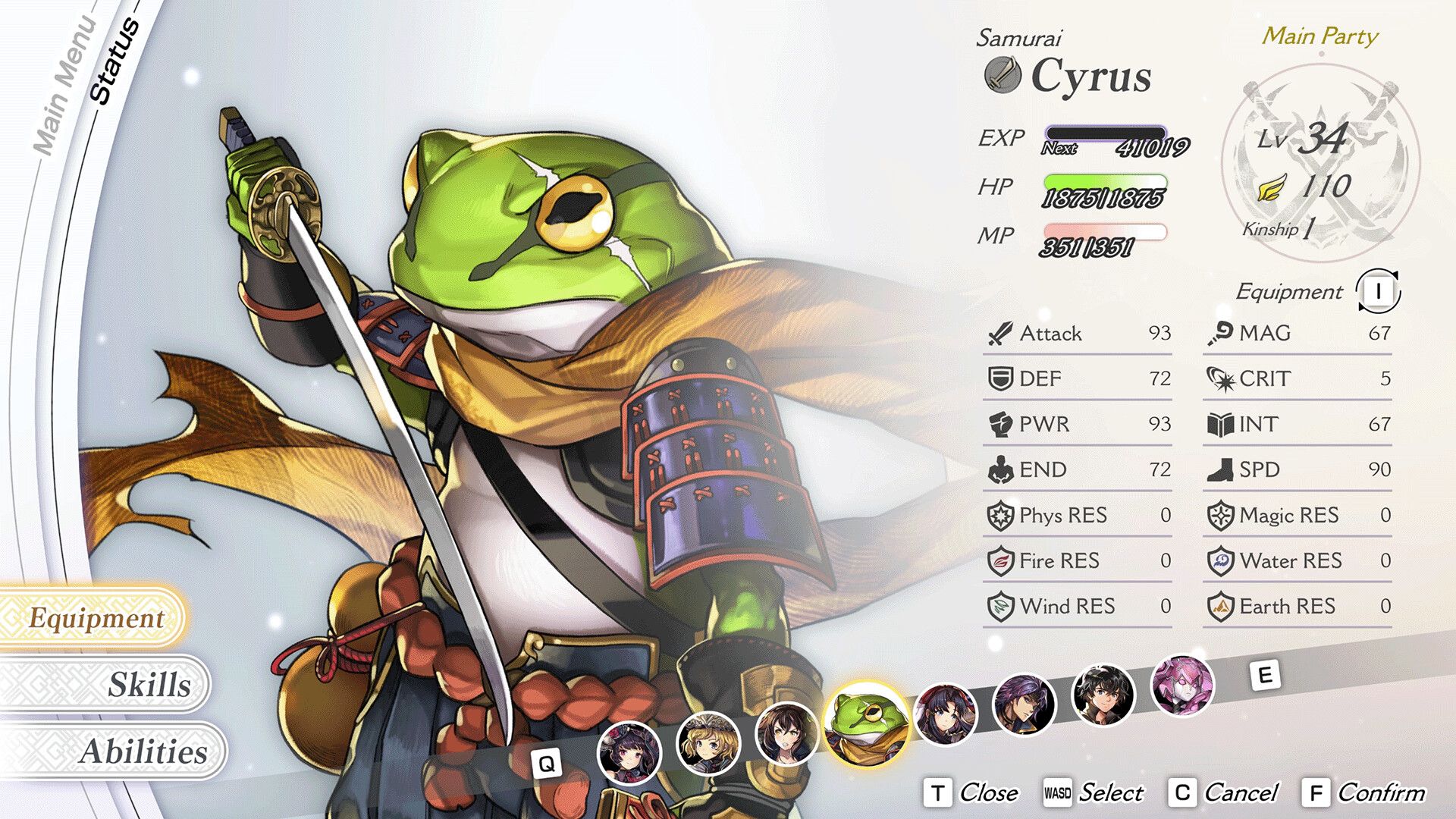
Build the gauge during normal turns. Apply buffs and debuffs first, then activate Another Force when the enemy is staggered, exposed or close enough that the burst can end the phase. Firing it immediately creates large numbers without solving the dangerous part of the fight.
Use the reserve slots
Characters outside the active line are still part of the battle plan. Rotate a damaged character out before the party collapses, and bring the next role in with a purpose. A reserve healer or elemental counter is more useful than another attacker waiting for an ideal turn.
Progress the story before grinding
Story progress unlocks characters, systems and better places to earn experience. If normal enemies are manageable, continue. Grind only when a boss exposes a specific weakness in levels, equipment or party coverage.
Read the loss before changing everything
When a boss wins, identify the turn that caused it. If one attack wipes the group, improve mitigation. If the party runs out of resources, improve recovery or shorten the setup. If damage is low but survival is comfortable, then invest in offense.
The practical rule is stability first. A balanced party gives you enough turns to understand the game, and understanding the turn order produces more damage than an early upgrade plan copied without context.