
4 Co-Op Games Where Failed Teamwork Makes The Game Better
Lethal Company, R.E.P.O., PEAK and Content Warning use communication failures, physics and shared risk to make co-op mistakes entertaining.
Some co-op games are entertaining because the team fails. Lethal Company, R.E.P.O., PEAK and Content Warning use communication problems, physics and shared risk to make mistakes part of the experience.
Each game gives players individual responsibilities while making the whole group deal with the consequences of one mistake. That structure produces memorable sessions even when the objective is lost.
1. Lethal Company
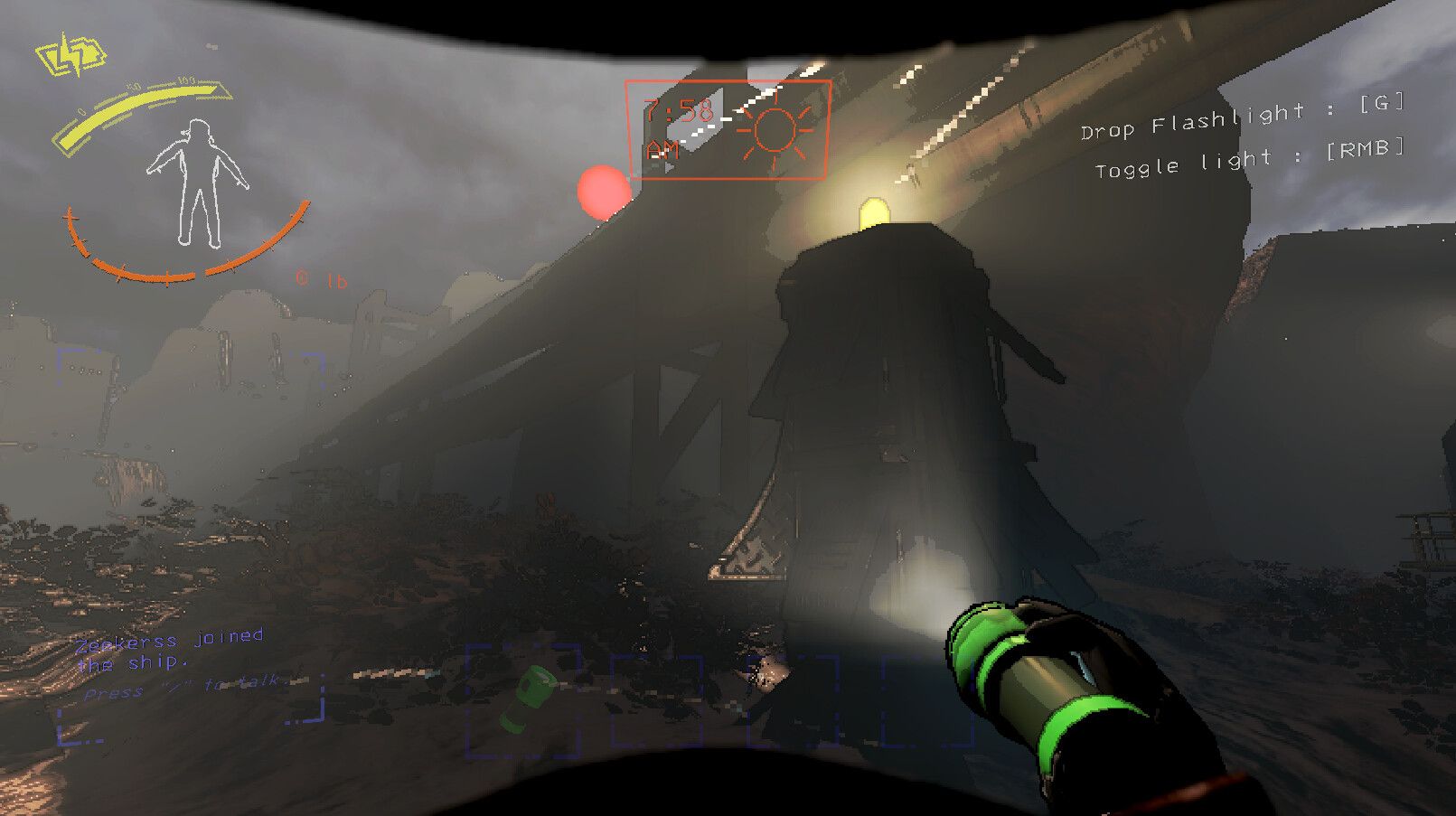
Lethal Company separates players between the ship and dangerous facilities, making radio communication essential. Missing information, weak directions and sudden disconnections can turn a routine collection run into a failed extraction.
The quota system also encourages teams to take unnecessary risks for low-value items. Markiplier's early group sessions show how quickly a confident plan can fail when players lose contact or disagree about when to leave.
Get it on Steam.
2. R.E.P.O.

R.E.P.O. makes object handling a cooperative task. Furniture swings, valuables collide with doorframes and several players can interfere while trying to move the same item.
The physics system makes coordination important because damaged valuables reduce the team's earnings. Careless movement can also create noise and attract enemies, so a small handling mistake can threaten the entire run.
Get it on Steam.
3. PEAK
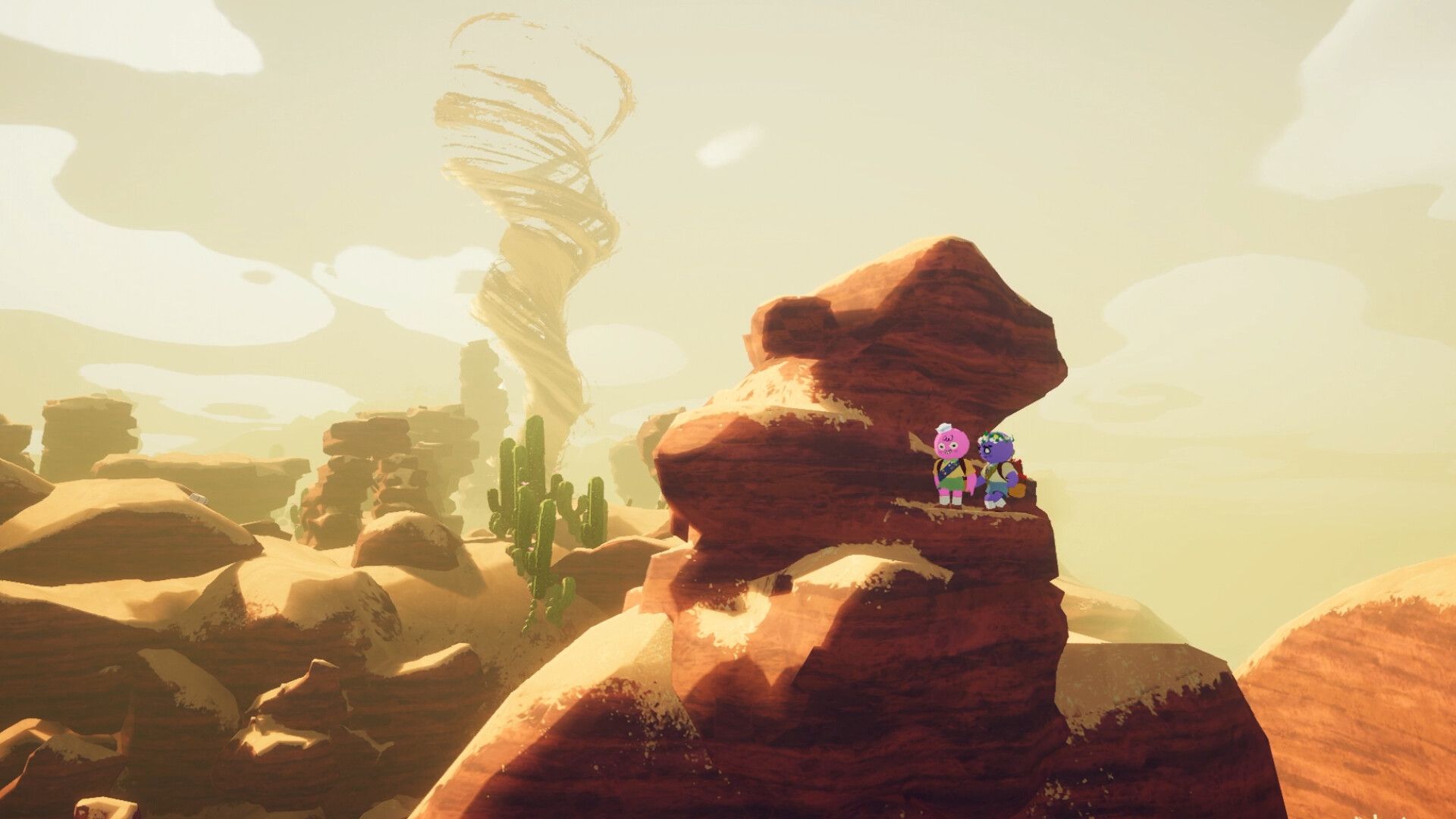
PEAK links each player's stamina, injuries and resources to the group's progress. One failed climb can force a rescue attempt, consume supplies and put the rest of the expedition at risk.
SMii7Y's group climb shows how confidence leads players to attempt riskier routes. When one player falls, the team must decide whether a rescue is possible or whether continuing is safer.
Get it on Steam.
4. Content Warning
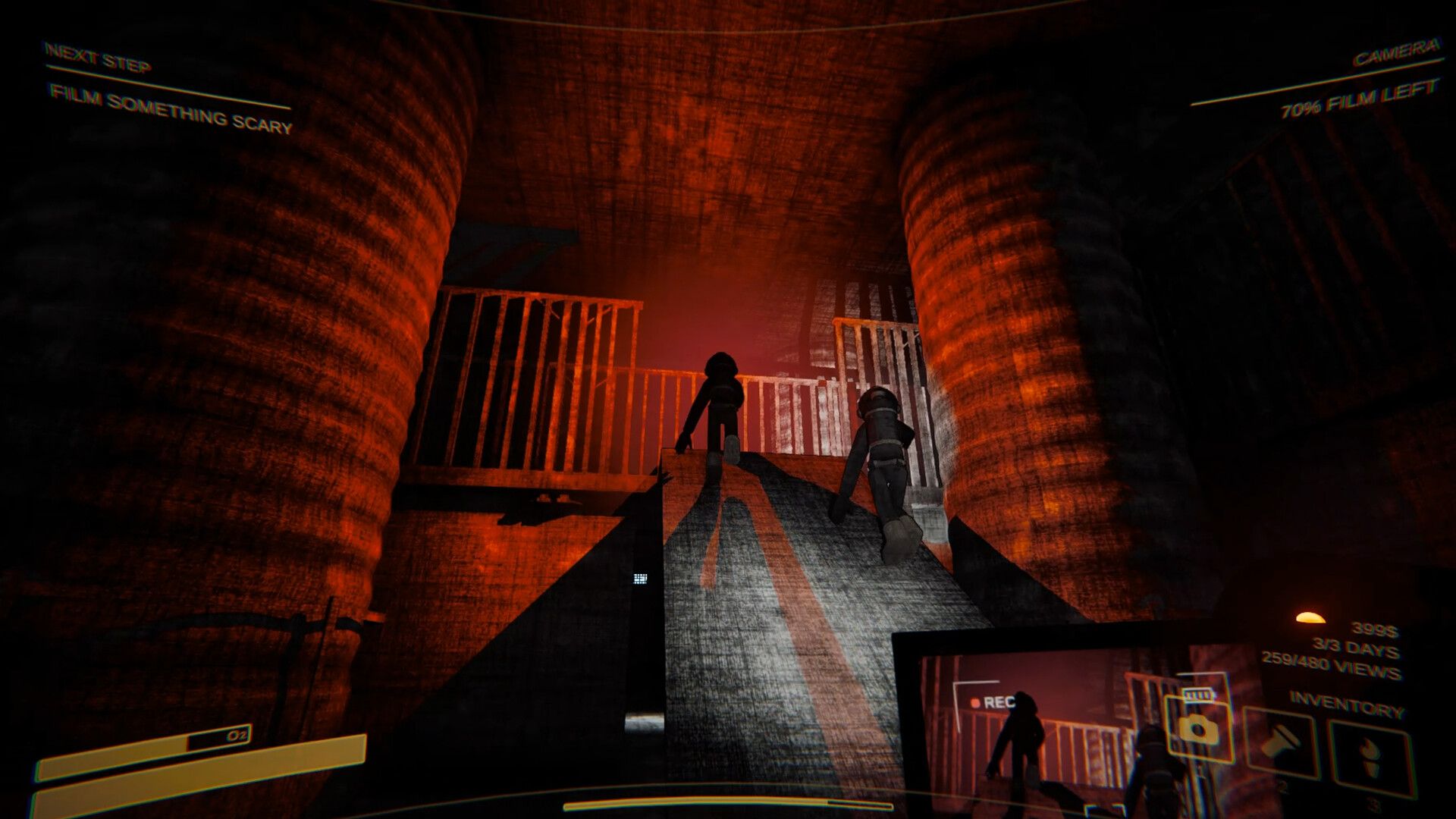
Content Warning creates a conflict between helping the team and recording dangerous footage. The player holding the camera may need to remain close to a monster while everyone else tries to escape.
The camera must also be recovered and returned so the footage can be uploaded. A failed expedition can still produce progress if the camera survives, which encourages players to take risks that would make no sense in a normal survival game.
Get it on Steam.
Why these games work
All four games give the group a clear objective and systems that make coordination difficult. Players can improve, but an efficient run is not always the most memorable one. Their strongest moments often come from a mistake that forces the team to change its plan.