
Why Does Cronos Keep Eating Your Ammo?
Save ammunition in Cronos by charging safe shots, stopping merges, controlling rooms, expanding storage and leaving fights that do not pay.
Cronos: The New Dawn is built to make a small mistake keep charging interest. A rushed shot wastes a round. The corpse left behind becomes material for a stronger Orphan. That stronger enemy costs more ammunition, more torch fuel and probably a healing item. The clean answer is not perfect aim. It is breaking that chain before the bill arrives.
These seven habits come from comparing Bloober Team's official Traveler's Guide with three independent video guides from IGN, Eurogamer and Mista FiOth. They focus on the systems those sources repeatedly agree matter: charged shots, corpse control, room positioning, inventory space, optional fights, exploration and movable weapon upgrades. Game Pelt did not claim firsthand testing for this guide.
The first leak is the trigger
Charge a shot whenever the room gives you the time. Bloober Team, IGN, Eurogamer and Mista FiOth all make the same basic point: a charged round uses the same ammunition as a quick shot but delivers more damage. Mista FiOth also notes that a charged hit can stagger an enemy and that some upgraded weapons can punch through more than one target.
That does not mean standing still while an Orphan climbs into your helmet. Create the time first. Back up, put an obstacle between you and the target, or wait until the enemy has committed to an attack. A quick shot still has a job when it stops an immediate hit. It should be the emergency answer, not the default rhythm.
Body placement matters too. IGN recommends legs for a knockdown or stagger, arms to interrupt an attack or merge, and the head when maximum damage is the priority. Those are choices, not a universal weak point rule. Read what the current enemy is doing, then spend the round where it solves the immediate problem.
Corpses are future enemies
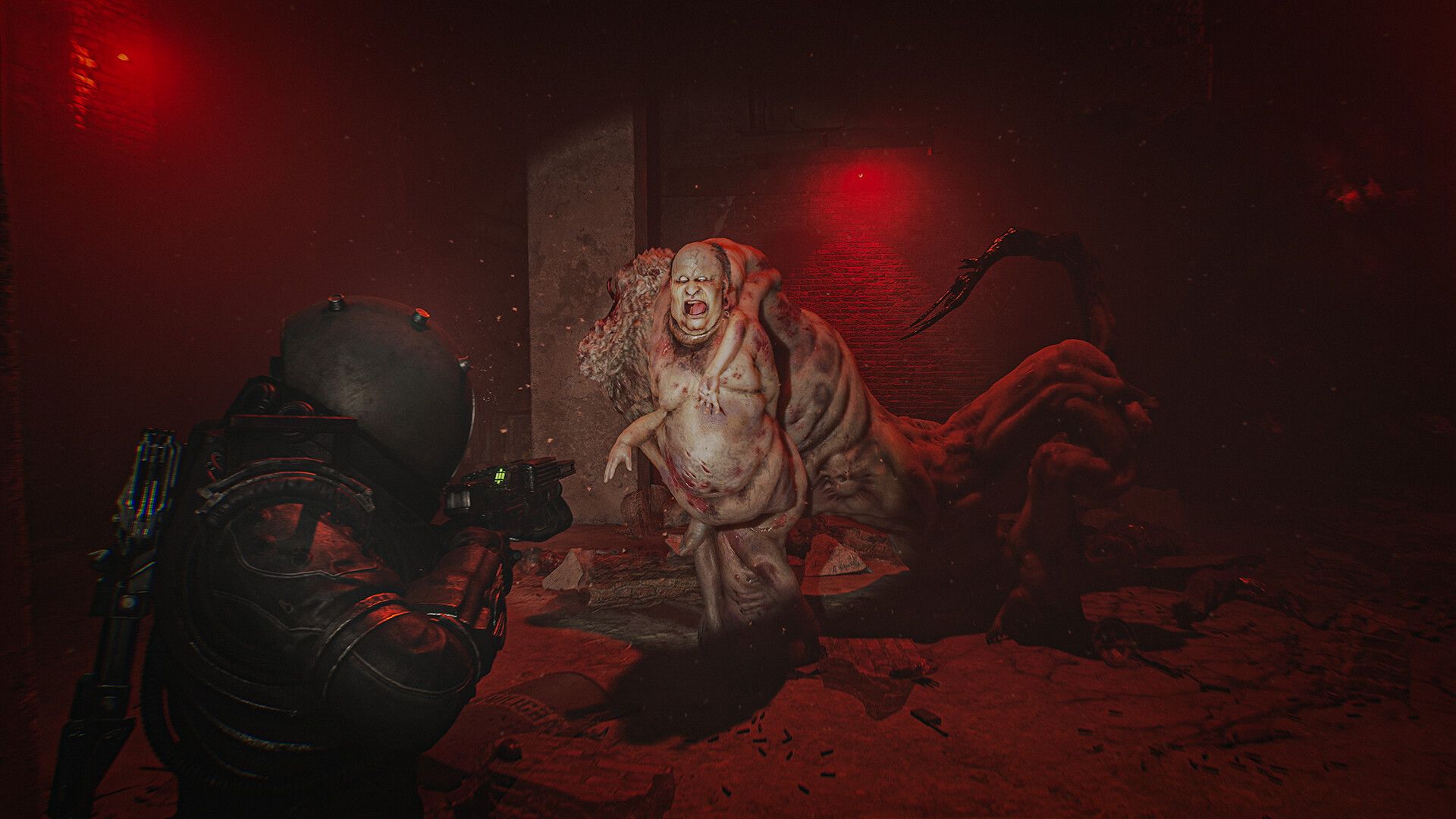
An Orphan on the floor can still cost you ammunition. Nearby enemies can absorb dead bodies and become tougher, which is why the game's marketing keeps repeating the warning not to let them merge. Fire prevents that upgrade. The torch can destroy a corpse or interrupt a merge already in progress, while explosive barrels and gasoline canisters can clear bodies without spending torch fuel.
The mistake is treating fire as cleanup after every fight. Torch fuel is limited, and the useful target is the corpse another enemy can realistically reach. If the room is clear and nothing else can merge, burning every body immediately may waste the resource meant for the next crowded arena.
Fire also creates an opening. Mista FiOth says burning enemies are briefly unable to pressure you, while the official guide describes fire as both corpse control and a combat tool. Use that pause to reposition or land charged shots. One canister that stops a merge and holds a group in place is doing more work than a panic burst into the same crowd.
Bad rooms waste more than bad aim
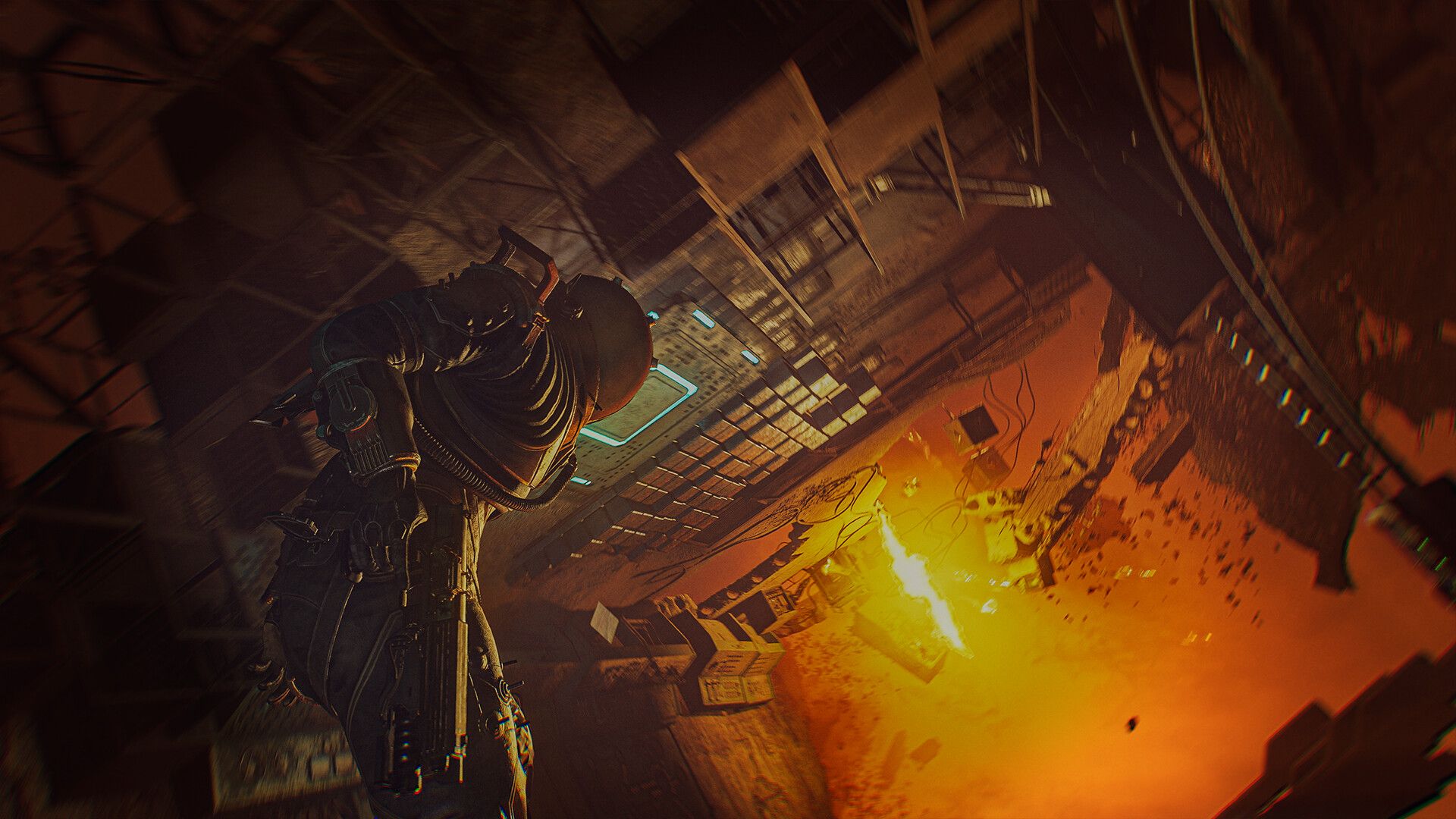
Cronos makes the Traveler deliberately heavy. Trying to fix every fight with a last second dodge leaves too much to chance. Choose the lane before the enemies close the distance. Corridors, doorways and narrow gaps make targets easier to line up, while cover can block bile and give a reload somewhere safer to happen.
Eurogamer and Mista FiOth both recommend pulling enemies through controlled spaces. Mista FiOth also calls out temporal barrels and green cysts as hazards that can hurt or slow a group. The point is not to memorize one trick for every room. It is to look for free damage and safe distance before committing ammunition.
Keep moving after the shot. A knockdown is useful, but Eurogamer warns that repeated stomps can leave the Traveler close enough to eat the recovery attack. Take the cheap stomp when the position is safe. Otherwise, use the knockdown to reload, charge the next shot or move to the lane you actually want.
Inventory space is combat power
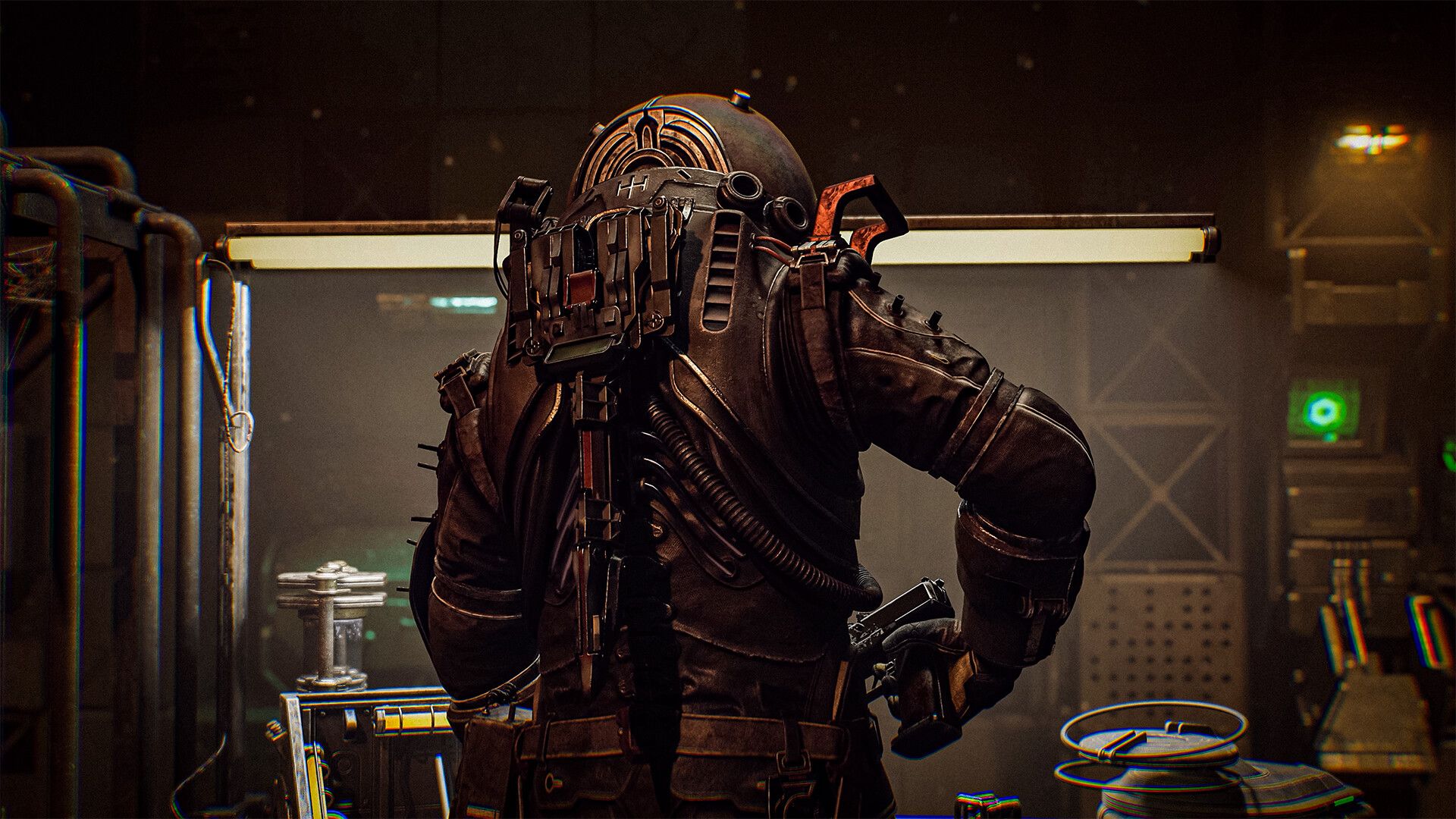
The most useful early shell upgrades are usually the ones that create room. Inventory slots let you carry another healing item, key tool or stack of ammunition. Resource limit upgrades let you hold more chemicals and scrap without turning those materials into items before you need them. IGN, Eurogamer and Mista FiOth all prioritize one or both of these upgrades early.
There is a smart exception. Increasing suit integrity also restores health, according to Eurogamer and Mista FiOth. If the Traveler is already badly hurt near an upgrade station, taking that upgrade can save a patch while still improving the shell. That does not make maximum health the automatic first choice. It makes the timing valuable.
Stash boxes are connected, so cores and weapons that are not needed in the current route do not have to stay in the bag. Load ammunition into the weapon rather than leaving loose rounds to occupy avoidable space. Keep persistent key tools when the game has not removed them; IGN and Eurogamer both note that apparently old locks and items can matter after later backtracking.
Not every Orphan earns a bullet
Some arenas lock the doors and demand a clear. Open spaces often do not. IGN and Eurogamer both recommend leaving optional enemies alive when fighting them would only consume ammunition, fuel and health. Take the item you came for, use the available route and keep moving.
This advice has a boundary. Running blindly through a new room can pull several threats into the route back, and a forced arena still has to be solved. The goal is not permanent flight. It is recognizing which enemies block progress and which ones are simply expensive scenery.
Watch the environment before deciding. Eurogamer notes that biomass walls can signal where new enemies may enter, and the torch can warn about nearby danger. A clear route with no reward behind the group is a good reason to leave. A narrow return path beside active spawn points may justify reducing the threat now.
Exploration funds the next fight
Cronos is mostly linear, but its side rooms pay for the main route. IGN's guide points to ammunition, energy, crafting material, cats and documents as practical rewards for checking corners. Documents can also contain codes, route clues or information that helps with a later encounter. The game remembers passcodes once the relevant material has been examined, so reading the evidence matters more than keeping a paper note beside the screen.
Do one careful sweep before crossing a point that looks difficult to reverse. Eurogamer notes that small ledges may allow backtracking while taller drops may not. The exact geometry changes, but the planning rule stays useful: finish the accessible branches before taking the obvious commitment.
Do not confuse exploration with fighting every occupant. It is possible to collect the useful item, mark the locked door for later and leave an optional enemy standing. Exploration is supposed to improve the resource position. If clearing the room costs more than it returns, the detour failed its own test.
Move upgrades when the weapon changes
Energy spent on weapon upgrades is not trapped forever. IGN and Eurogamer both note that upgrades can be reset for a small fee, letting the investment move when a new weapon replaces the old one. That makes experimentation less dangerous than buying every gun's full upgrade tree at once.
Start with the weapon actually solving today's encounters. Firepower and charge speed matter because charged shots sit at the center of the game's ammunition economy. Capacity can also reduce loose ammunition pressure, but it should support a weapon you use rather than justify carrying one you do not.
When a gun leaves the active loadout, put it in storage and reclaim the energy if another weapon needs the upgrade now. Eurogamer argues against routinely spending energy on shop ammunition because that currency can permanently improve weapons instead. The practical counterpoint is simple: an upgrade does nothing if the next mandatory fight starts with an empty magazine. Buy emergency supplies when the alternative is a dead run, not as the standing plan.
The rule that fixes the whole run
Every resource should solve more than one problem when possible. A charged round should damage and stagger. Fire should stop a merge and create space. A side path should repay the time with ammunition, material or useful information. An upgrade should support the weapon in your hands, not the one sitting in storage.
Cronos keeps eating ammunition when one rushed decision forces the next expensive decision. Slow the first step down. Read the room, choose the lane and make the corpse stay dead. That is the difference between a hard fight and a chain of avoidable costs.
Official Cronos: The New Dawn site