
How DayZ Badlands Changes Your Usual Opening Route
Nasdara makes water, shade, clothing, cover, towns, wildlife, and transport part of the route before your first loot run properly begins.
DayZ players usually begin a life by solving the same short list of problems: find food, find water, get a blade, add storage, and move toward better loot. Badlands keeps those needs, but Nasdara changes their order. The largest official DayZ terrain is also the hottest, driest, and most exposed one Bohemia Interactive has built.
That means a familiar straight-line loot run can fail before another survivor fires a shot. Direct sunlight affects your condition. Standing water is scarce. Heavy clothing trades useful storage for extra heat. Open ground stretches sightlines, while dense towns suddenly collapse those sightlines into alleys, interiors, and rooftops.
This guide is based on Bohemia's public Badlands development material and validated transcripts from WOBO, AlwaysStreams, and Fresh Spawns. It does not pretend that Game Pelt has played the final launch build. Exact loot placement and balance may still change when Badlands and Update 1.30 release on October 15, 2026, but the route decisions below are built around systems Bohemia says are shipping.
1. Find Water Before You Chase Better Loot
Water should decide the first leg of the route. Nasdara has very little standing water because of its drought, damaged reservoir, and neglected infrastructure. Bohemia has also confirmed that some wells need to be restored before they provide drinking water. A well icon or familiar village shape will not automatically guarantee a safe refill.
Creator footage from the pre-release build reinforces that point. WOBO found dry fountains and described water as one of the map's main threats. Some underground areas contained fresh water, but that does not make every tunnel a dependable spawn route. Treat those observations as useful warnings rather than a finished map of guaranteed sources.
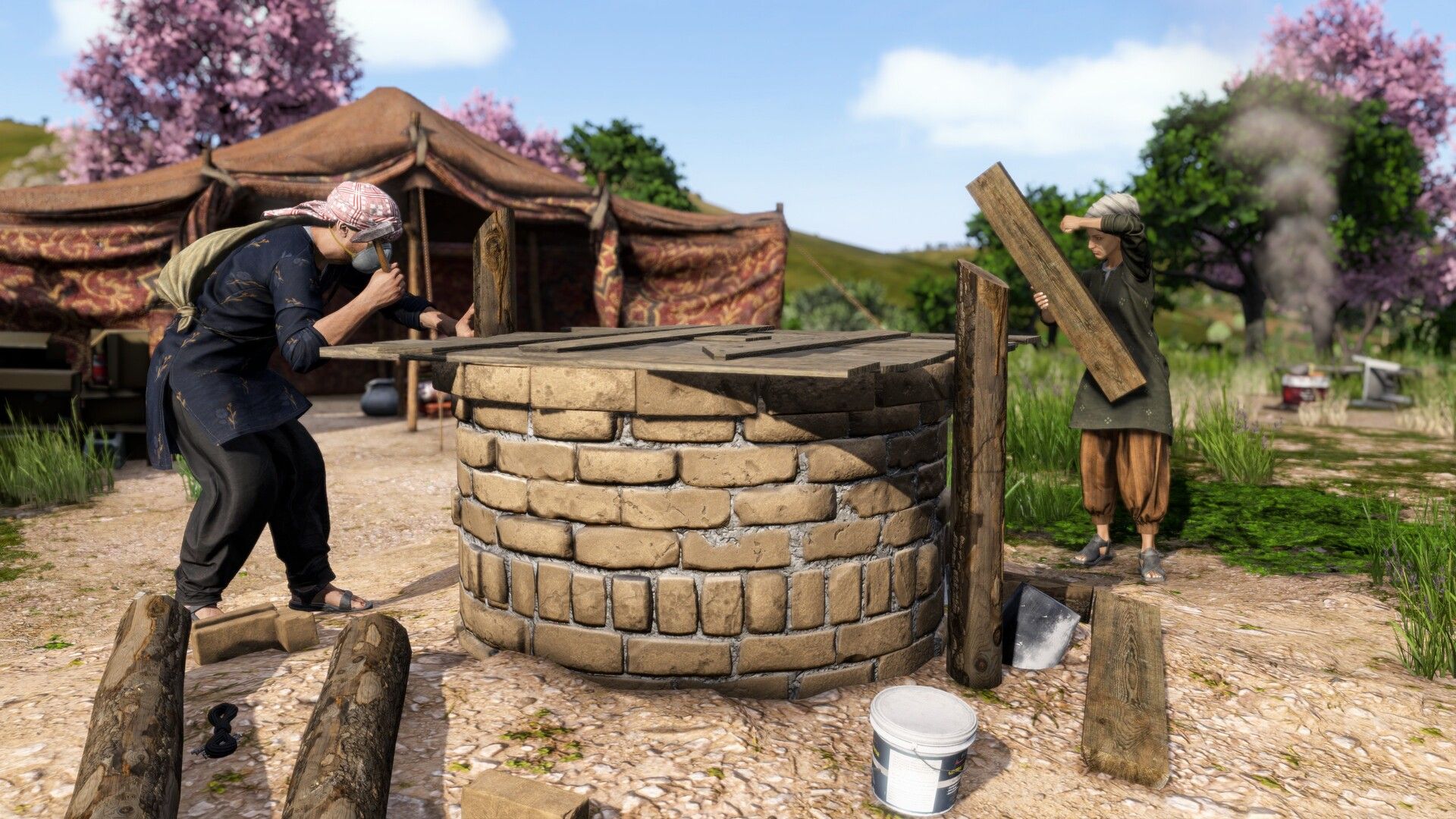
On a fresh life, take a container earlier than you normally would and keep it after the first drink. Confirm a working source before leaving a settlement for a long exposed crossing. If the choice is between another weapon attachment and enough water to reach the next reliable stop, the attachment can wait. Bullets do not fix dehydration.
2. Let the Sun Set the Travel Schedule
Nasdara makes the time of day part of navigation. Bohemia says direct sunlight affects character stats, shade matters, and the temperature changes sharply between day and night. The map does not simply replace Sakhal's cold with a red thermometer. It asks you to decide when a crossing is worth the water it will cost.
Stop treating noon like free travel time. Long runs across open ground should happen when the temperature, your hydration, and the available cover make sense together. During the hottest stretch, loot within shade, work through interiors, or use a wall, tree line, and building as staged rest points. A short detour that keeps you out of direct sun can be cheaper than a straight sprint that empties your bottle.
Night creates its own risk, so this is not an instruction to move blind after dark. The practical habit is to check the clock before leaving cover. If a major crossing will put you in open terrain at the worst time, solve another nearby problem first and move when conditions improve.
3. Dress for Heat and Dust, Not Maximum Slots
The usual DayZ instinct is to grab the clothing with the most insulation and inventory space. Badlands puts a cost on that habit. Bohemia has added lighter shirts, loose pants, sandals, dust goggles, face wraps, keffiyehs, turbans, and other regional gear because sun exposure, heat, and airborne dust all matter in Nasdara.
That creates a real trade. Heavy military clothing may offer storage and protection, but lighter gear can make long travel easier. The developers specifically warn that low-insulation clothing often carries less. Your first loadout should leave enough room for water, food, medical basics, and ammunition without turning every open crossing into a heat problem.
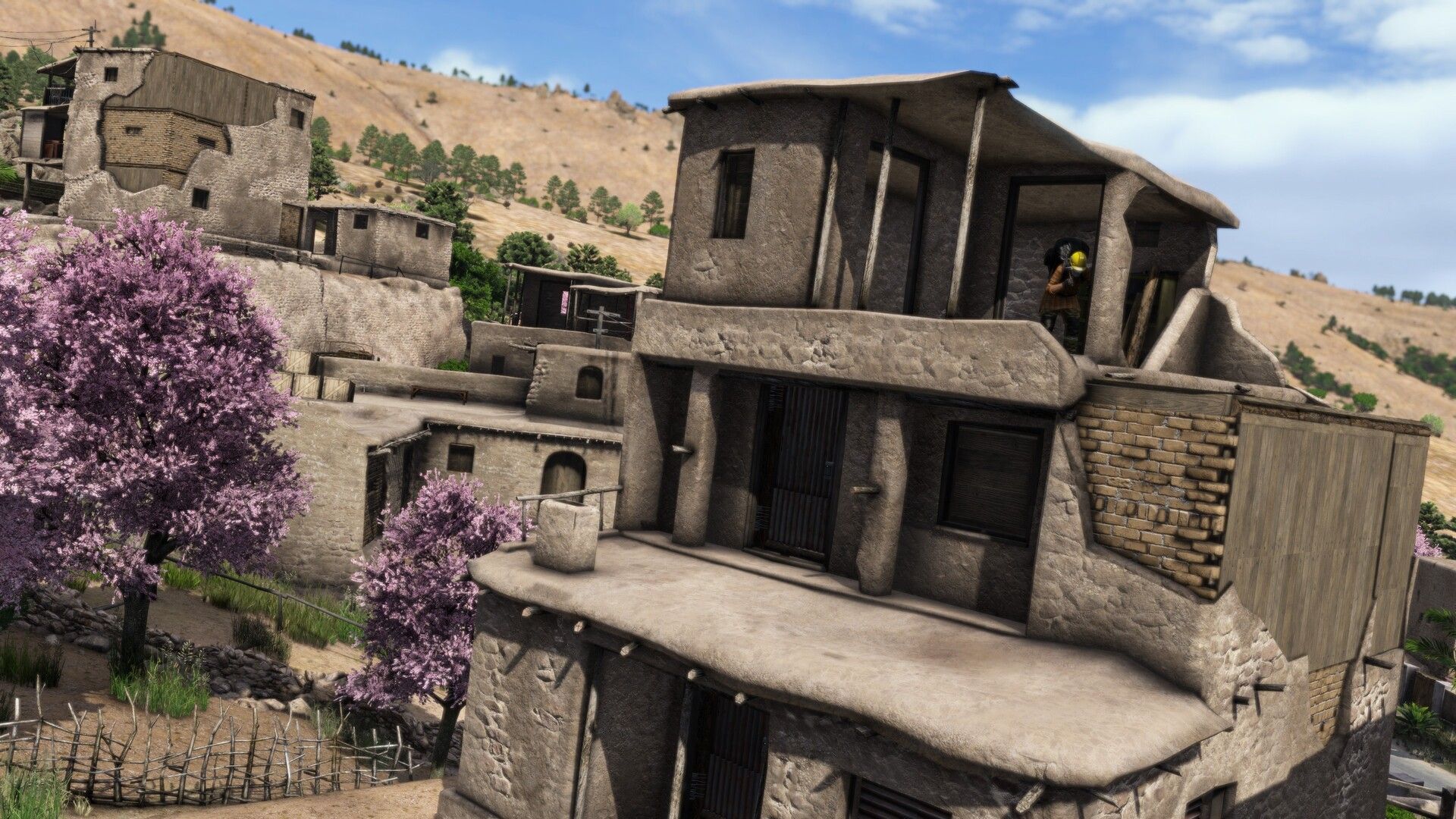
Keep eye and face protection when you find it. Sandstorms are a confirmed launch feature, and pre-release creator coverage showed that removing a helmet during a storm caused a negative reaction to the dust. The final values still need launch verification, but the lesson is already clear: clothing is route equipment now, not just armor with pockets.
4. Cross Open Ground from Cover to Cover
Nasdara replaces tall forests and rolling green hills with sparse vegetation, deep valleys, ridges, dried riverbeds, and long exposed approaches. Bohemia wants those spaces to support long-range pressure, but the map is not one empty sniper field. Rocks, walls, fences, bushes, and broken terrain still create safe lines if you use them deliberately.
Before leaving a settlement, identify the next two pieces of cover instead of only the destination. A wall gets you out of the street. A dried riverbed can hide movement across a wider section. A ridge can protect one side while exposing the other. Move between those pieces with enough stamina left to react when a shot cracks past you.
Do not follow every highway or power line until the scenery runs out. Near the edge of the playable space, roads can disappear into sand, bridges can be broken, and infrastructure can degrade into the buffer zone. If the landscape keeps losing detail and useful cover, turn back before a bad navigation call becomes a long thirsty correction.
5. Enter Towns Like Someone Owns the Rooftops
The open terrain is only half of Nasdara. Its settlements range from scattered farm housing to villages and cities built for tight interior fights. Multi-story apartments, connected rooftops, alleys, mud walls, and covered bazaars create a fast change from long sightlines to close-range ambushes.
That should change the first urban loot run. Stop at the edge and watch upper windows before walking into the center. Use back alleys and interiors to break sightlines, but remember that another player may move across connected roofs faster than you can clear the street below. A tall building offers information and danger in equal measure.
Bazaars deserve extra caution. Bohemia says their fortified gun shops spawn military loot, which makes them obvious magnets. Learn the visual difference between ordinary shops and barred gun stores, then decide whether the reward is worth entering a predictable fight. Your first useful rifle does not need to come from the busiest room in town.
6. Treat New Wildlife as Part of the Route
Badlands adds territorial dogs that stay near specific locations, especially military zones. Dobermans and German Shepherds can appear in packs and attack survivors who enter their area. Unlike roaming wolves, these animals turn the approach itself into a warning that a valuable location may have another layer of defense.
Do not make a military compound the first stop just because it sits near the spawn route. Approach from a position that gives you room to see and retreat. Listen before crossing a wall or gate, and keep enough stamina to disengage. A low-ammo fresh spawn fighting several dogs in the open is volunteering to donate gear.
The dogs also make noise and force movement, which other players can exploit. Even if you handle the animals, the fight may announce exactly where you are. Clear the immediate threat, change position, and watch the compound before settling into a long inventory session.
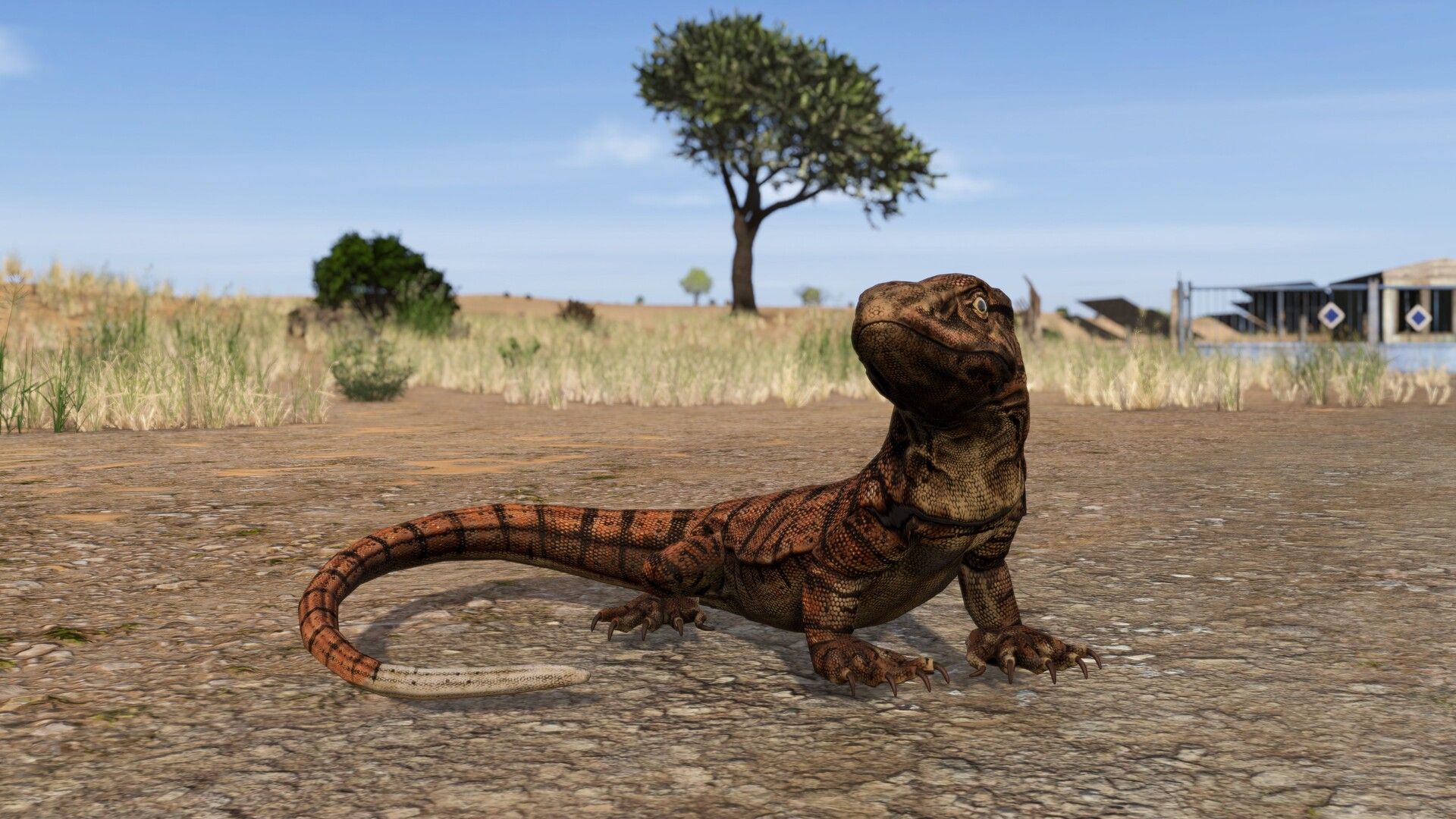
Nasdara also adds mouflon and desert monitor lizards. The monitor can be hunted for food, while mouflon bring another animal to the mountains and steppes. Those animals are less aggressive than the dogs, but they still change where a hungry survivor may choose to move.
7. Use a Motorbike to Extend the Route, Not the Inventory
Motorbikes exist because Nasdara is huge. The Jana moped and Enduro dirt bike can shorten travel across the 267-square-kilometer terrain, but neither carries cargo or a passenger. Everything needed for the journey still has to fit on the rider.
That makes a bike a route tool rather than a mobile stash. Use it to connect confirmed water, shelter, and loot stops more quickly. Do not ride deep into the map with no reserve because the engine made the first crossing feel cheap. The bike can lose a spark plug, its tires can be damaged, and a high-speed crash can knock the rider unconscious.
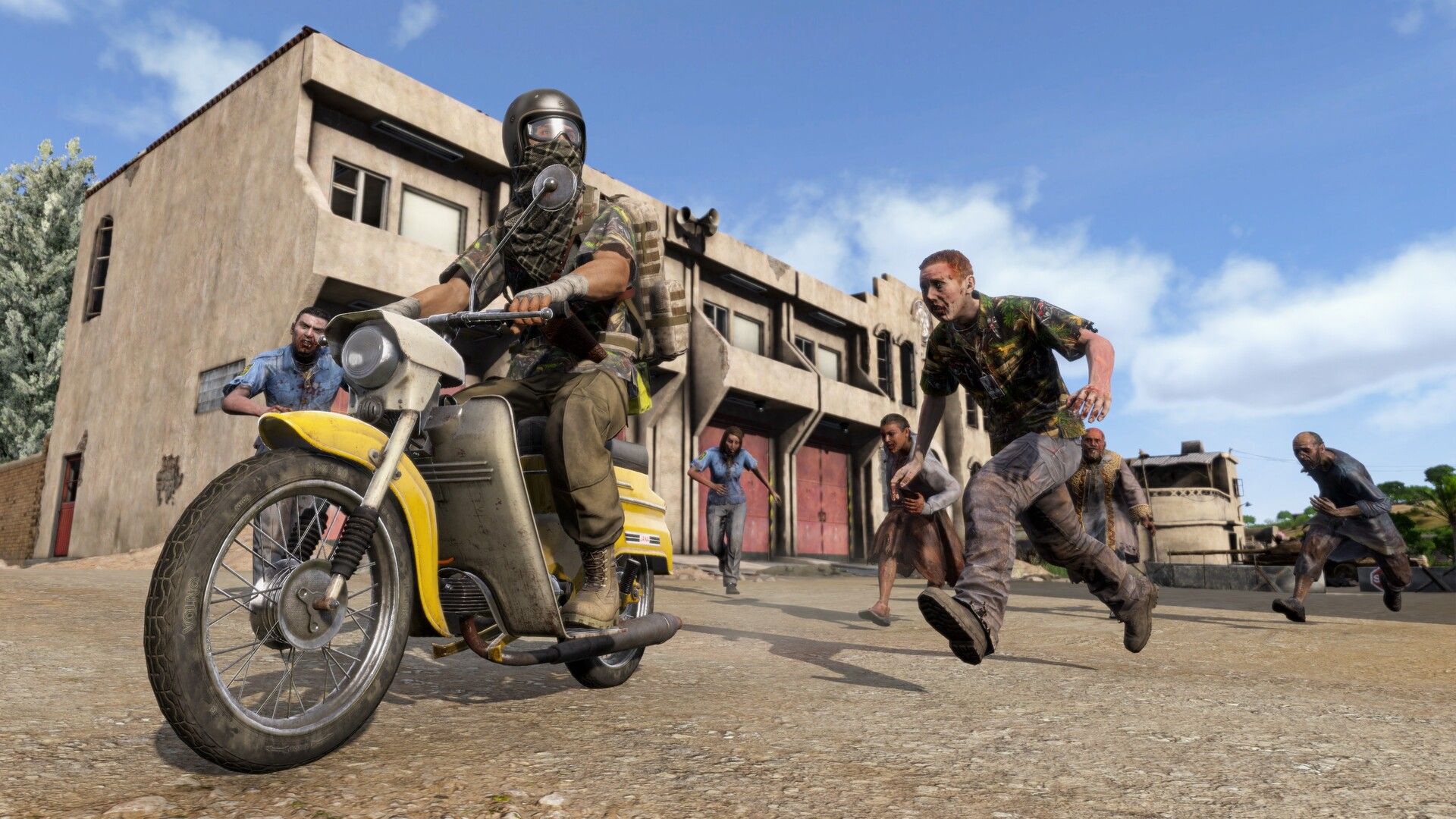
The Enduro is built for speed and rough ground, while the moped is slower. Both expose the rider through sound and movement. Park in shade when you need to work on the vehicle, carry what its likely failure demands, and leave yourself a walking route home. Fast travel is useful. Fast travel that strands you farther from water is just an efficient mistake.
Badlands does not erase the old DayZ priorities. It makes them argue with one another. More storage can mean more heat. Better loot can sit inside a dangerous bazaar or dog-guarded compound. The fastest line can cross the most exposed ground. A motorbike can cover distance without carrying the supplies that distance requires.
The safest first route is the one that solves water, temperature, cover, and escape before it chases status gear. Start with a working water source. Move when the sun and your clothing allow it. Read towns vertically. Keep military sites and long crossings for the moment your character can actually survive them. Nasdara will still find ways to ruin the plan, but at least the desert will have to work for it.