
4 Games Where The Map Is Part Of The Puzzle
These games make reading the world, drawing connections and questioning the map more important than following a marker.
A normal map tells the player where to go. These games ask whether the map is complete, what its symbols mean and how apparently separate places connect. Progress comes from understanding space rather than clearing icons.
Outer Wilds: the ship log is an evidence map
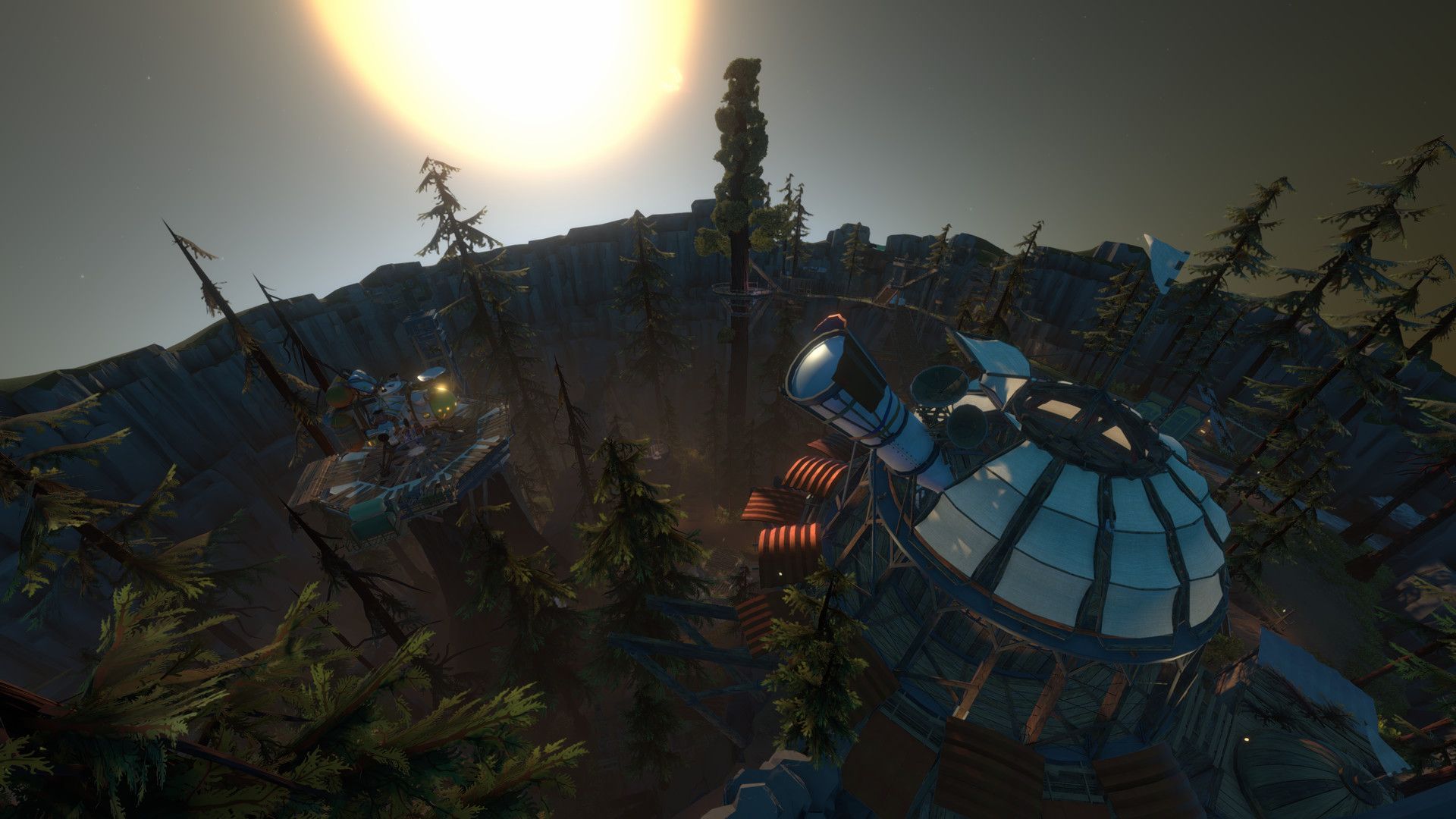
Outer Wilds records discoveries as connected questions. A location matters because it explains another one, and a blocked route may require knowledge rather than equipment. The useful habit is to follow an unresolved connection instead of revisiting every planet without a question.
Official store: Outer Wilds
Tunic: the manual teaches the map's language
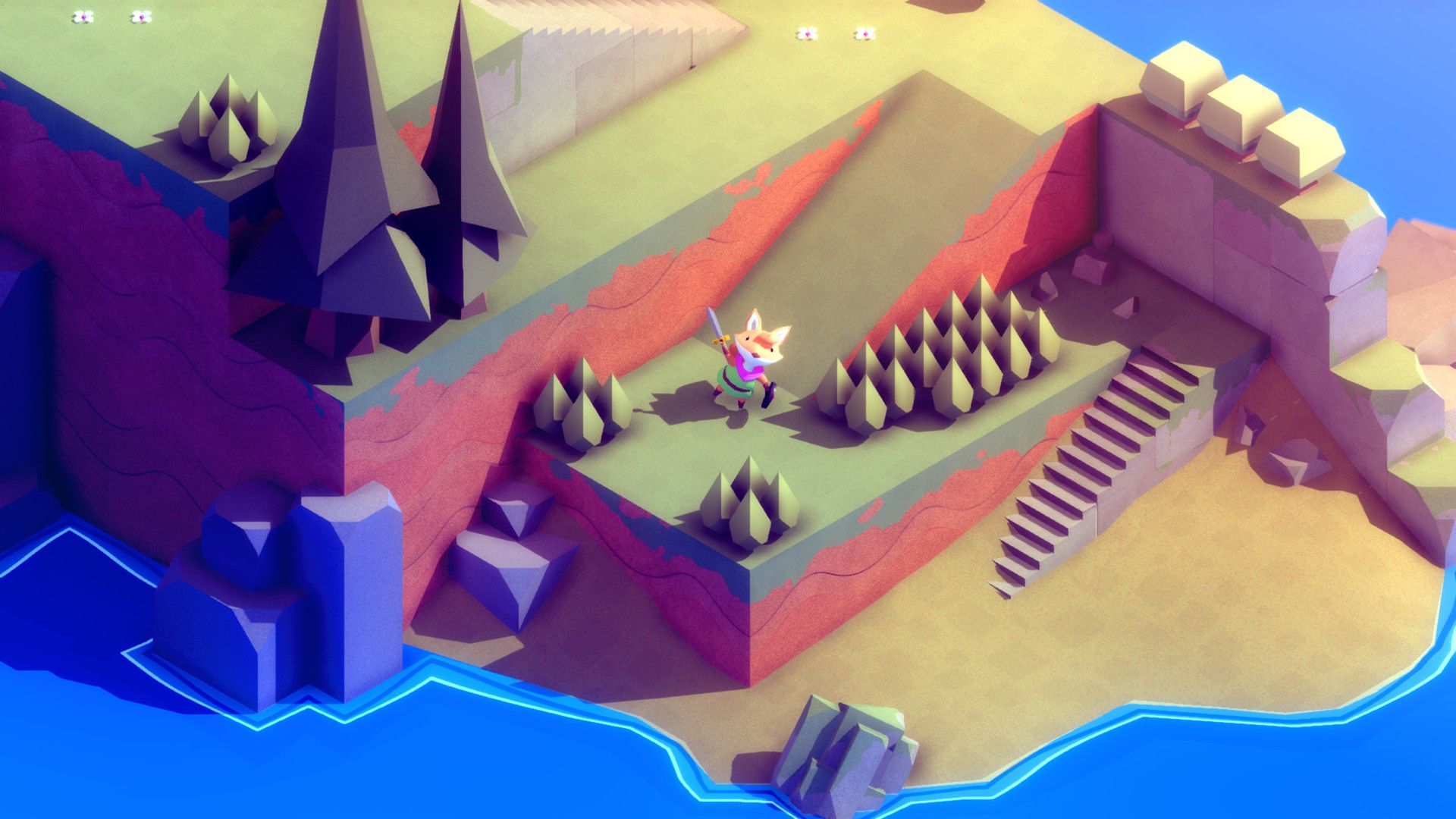
Tunic hides rules, paths and interface meaning inside recovered manual pages. The world can be crossed before it is understood. A page found late may reveal that an earlier wall, line or button was information rather than decoration. Taking notes is more useful than grinding combat.
Official store: Tunic
Fez: rotation rewrites adjacency
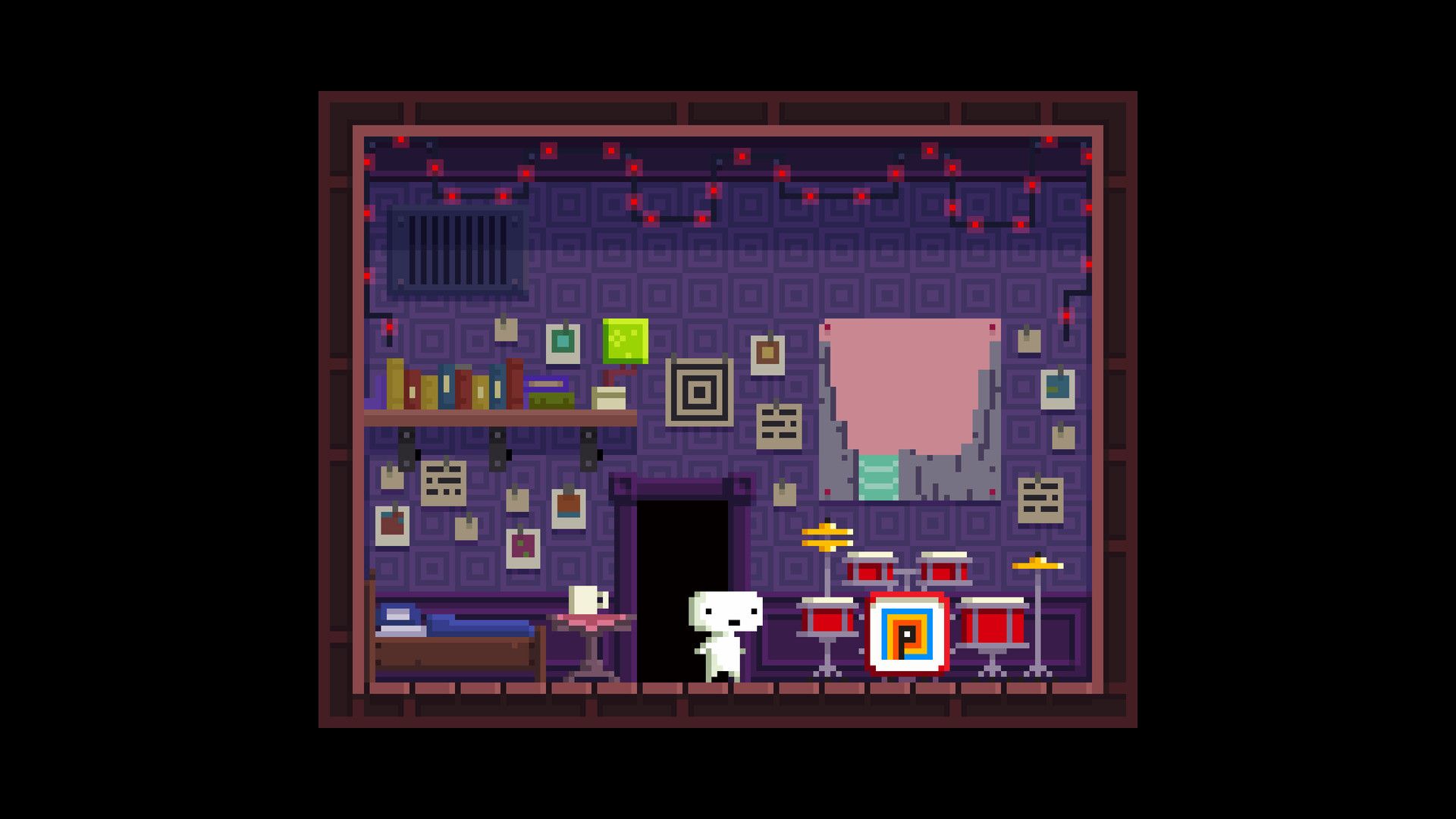
Fez presents a three-dimensional space through a two-dimensional view. Rotation is not only movement; it changes the map's relationships. Two ledges separated in one view can touch in another, and the player has to stop treating the first perspective as the true layout.
Official store: Fez
Animal Well: the inventory changes what a room means
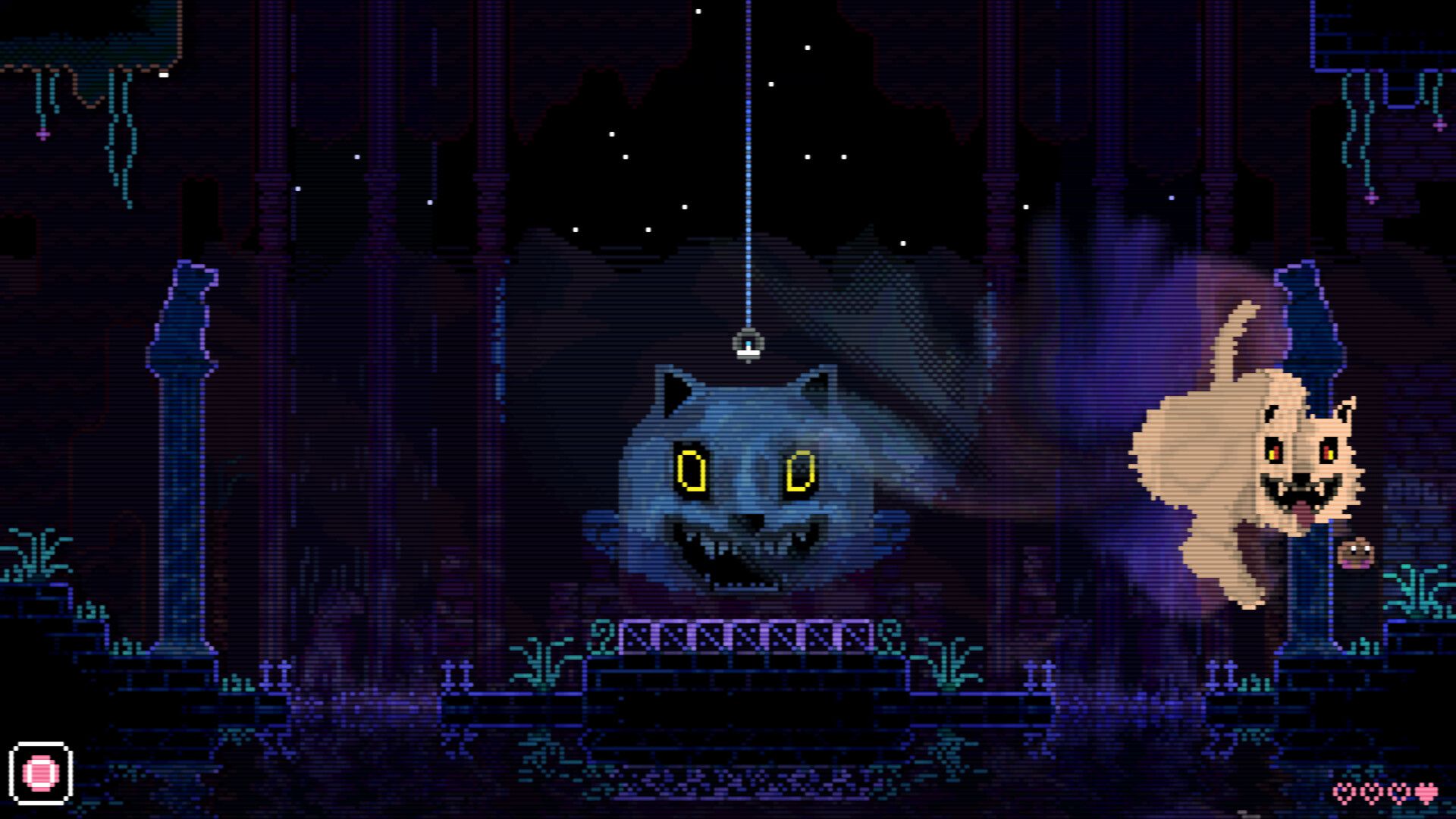
Animal Well's map is dense rather than large. Tools interact with animals, switches and movement in ways that reopen old rooms. The right question is often not which door is next, but which object can make this familiar room behave differently.
Official store: Animal Well
Do not turn discovery into a checklist
All four games lose something when every solution is followed in order. Use a hint only after writing down the exact obstacle and testing the tools or information already available. The map is the puzzle because uncertainty is part of the work.