
Kiln: 8 Tips You Should Know Before You Play
Kiln is part pottery game, part team brawler, and the shape you make changes how you should play.
Kiln is part pottery game, part team brawler, and the shape you make changes how you should play. This guide keeps the focus on practical decisions: what to prioritize, what to ignore, and how to avoid the kind of early mistakes that make a game feel worse than it really is.
Start With the Habits That Save Runs
Do not try to master everything at once. The best early progress usually comes from a few boring-sounding habits done consistently: commit to a role, read the objective, and stop spending resources just because the game lets you.
01. Match the Team Shape
The rule here is simple: Match the Team Shape. Before locking in, look at what everyone else is building. If your team already has attackers, pick a pot that helps defend or carry water instead. Treat it like a habit rather than a one-time trick. Once it becomes part of how you move through the game, the early mistakes start falling away.
02. Do Not Rush the Wheel
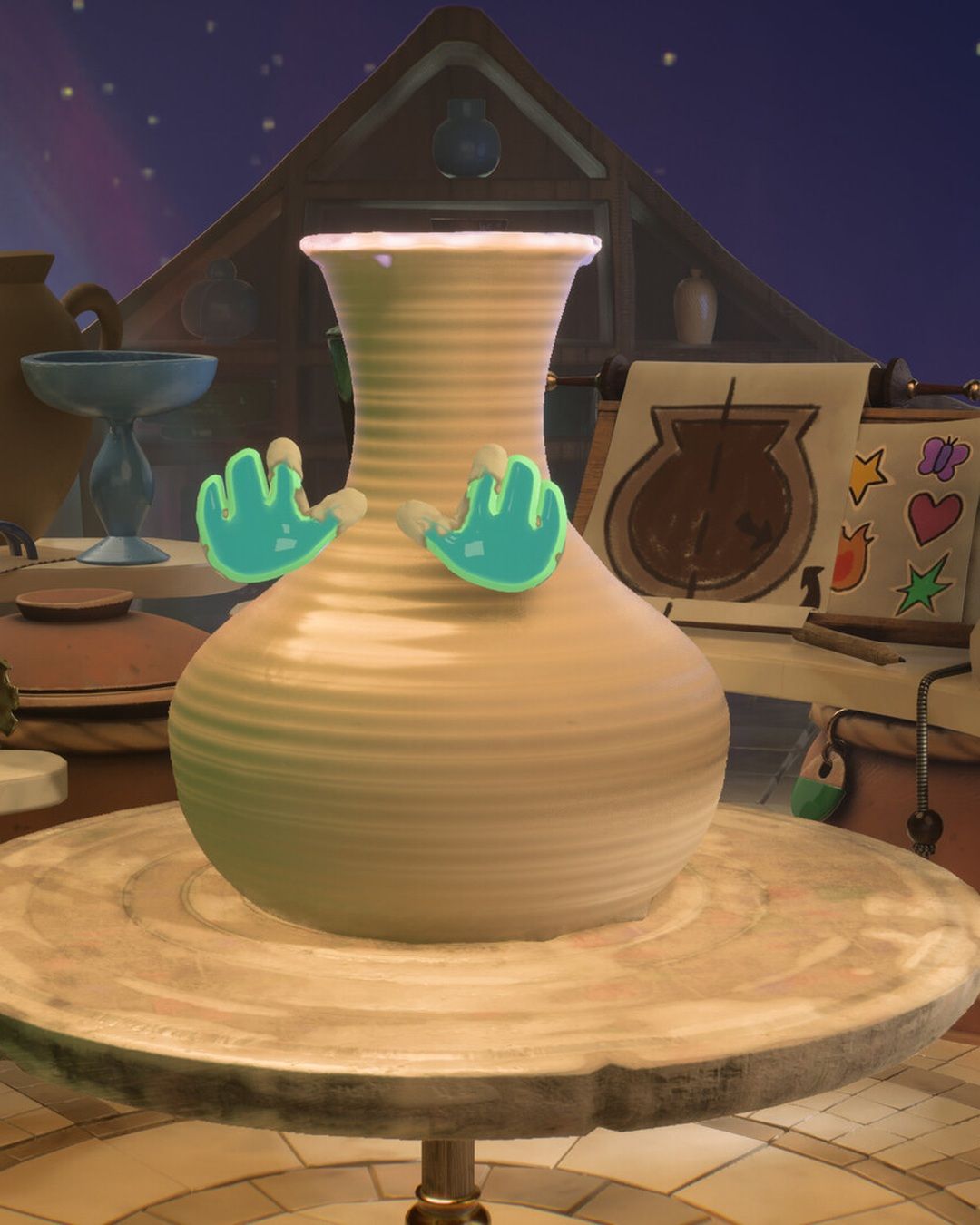
This is where a lot of early Kiln runs start to wobble, so treat Do Not Rush the Wheel as a real priority. The pottery phase is your build phase, not decoration time. Your pot shape changes health, capacity, movement, and special ability, so choose with purpose. The point is not to play scared. It is to remove the cheap errors first, then take risks from a position that actually makes sense.
03. Use Small Secret Routes
If Kiln feels messy at first, Use Small Secret Routes is one of the first habits worth cleaning up. Small builds carry less water, but they can slip into spaces larger pots cannot. Learn those shortcuts before deciding small pots are weak. That small adjustment gives you more room to learn the systems without every bad decision snowballing into a full reset.
04. Bodyguard Big Pots
The cleaner play is not always the flashiest one. The idea behind Bodyguard Big Pots matters more than it looks. Big pots can carry serious water, but they go down fast when isolated. If someone builds large, the team should protect that delivery run. It also makes the rest of the guide easier to apply, because the basics stop fighting you while you experiment.
Midgame Mistakes to Avoid
Once the first few systems click, the danger changes. You start moving faster, taking greedier routes, and assuming you understand more than you do. That is usually when Kiln starts handing out the painful lessons.
05. Read Enemy Pot Shapes
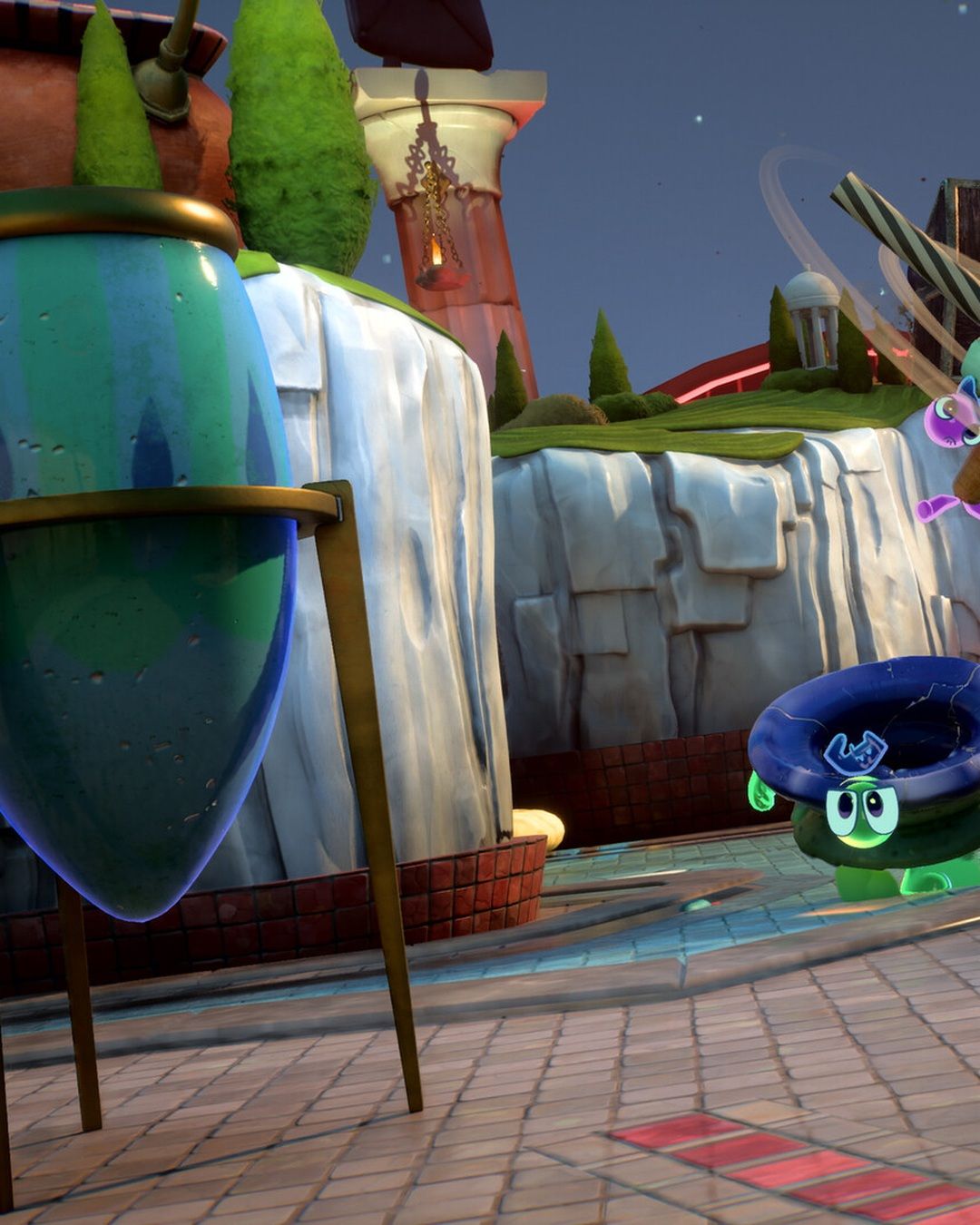
The rule here is simple: Read Enemy Pot Shapes. Pot geometry tells you a lot before the fight starts. Learn what shapes usually mean so you can predict roles, routes, and danger before contact. Treat it like a habit rather than a one-time trick. Once it becomes part of how you move through the game, the early mistakes start falling away.
06. Fighting Spills Water
This is where a lot of early Kiln runs start to wobble, so treat Fighting Spills Water as a real priority. Getting hit, rolling, smashing, and attacking can spill water. If you are carrying a full load, stop brawling like the objective is optional. The point is not to play scared. It is to remove the cheap errors first, then take risks from a position that actually makes sense.
07. Spilled Water Still Counts
If Kiln feels messy at first, Spilled Water Still Counts is one of the first habits worth cleaning up. If you break near the enemy kiln, that spilled water can still help your team. Sometimes a messy delivery is better than retreating with a full pot. That small adjustment gives you more room to learn the systems without every bad decision snowballing into a full reset.
08. Trigger Sponge Walls Smartly
The cleaner play is not always the flashiest one. The idea behind Trigger Sponge Walls Smartly matters more than it looks. Some arenas have sponge walls that block passages after absorbing water. Triggering one at the right time can stall a push or protect a weak kiln. It also makes the rest of the guide easier to apply, because the basics stop fighting you while you experiment.
What to Focus on First
If you only take a few things from this guide, make them these: Match the Team Shape, Do Not Rush the Wheel, Use Small Secret Routes. Those are the habits most likely to make the opening hours smoother before you start chasing advanced routes, builds, or challenge runs.