
Pacific Drive Garage Debrief: Six Decisions Before the Next Run
Unload the last haul, retire worn parts, pack for the route, refill the wagon and confirm the trip has a believable way home.
Pacific Drive's garage is not the quiet bit between runs. It is where the next failure becomes optional. Before the door opens, empty the last haul, retire parts that repairs cannot save, pack for the route, refill the wagon and confirm that the trip has a way home.
This is a research-based checklist built from official Ironwood Studios material and multiple creator guides. Game Pelt did not play or test the game for this article.
What should leave the trunk?
Unload the previous run before planning the next one. Move crafting materials into garage storage, send disposable junk and finished parts through the Matter Deconstructor, and keep only equipment that has a clear job on the next route. Driving back out with yesterday's haul wastes the space the next junction is supposed to fill.
The Matter Regenerator creates a different choice. A useful part that is damaged but not finished can wait there while another part goes on the car. That is better than spending scarce chemicals on Repair Putty just because the damage bar is visible. The garage has storage and recovery tools so the trunk does not have to become a rolling junk drawer.
Which parts should be retired?
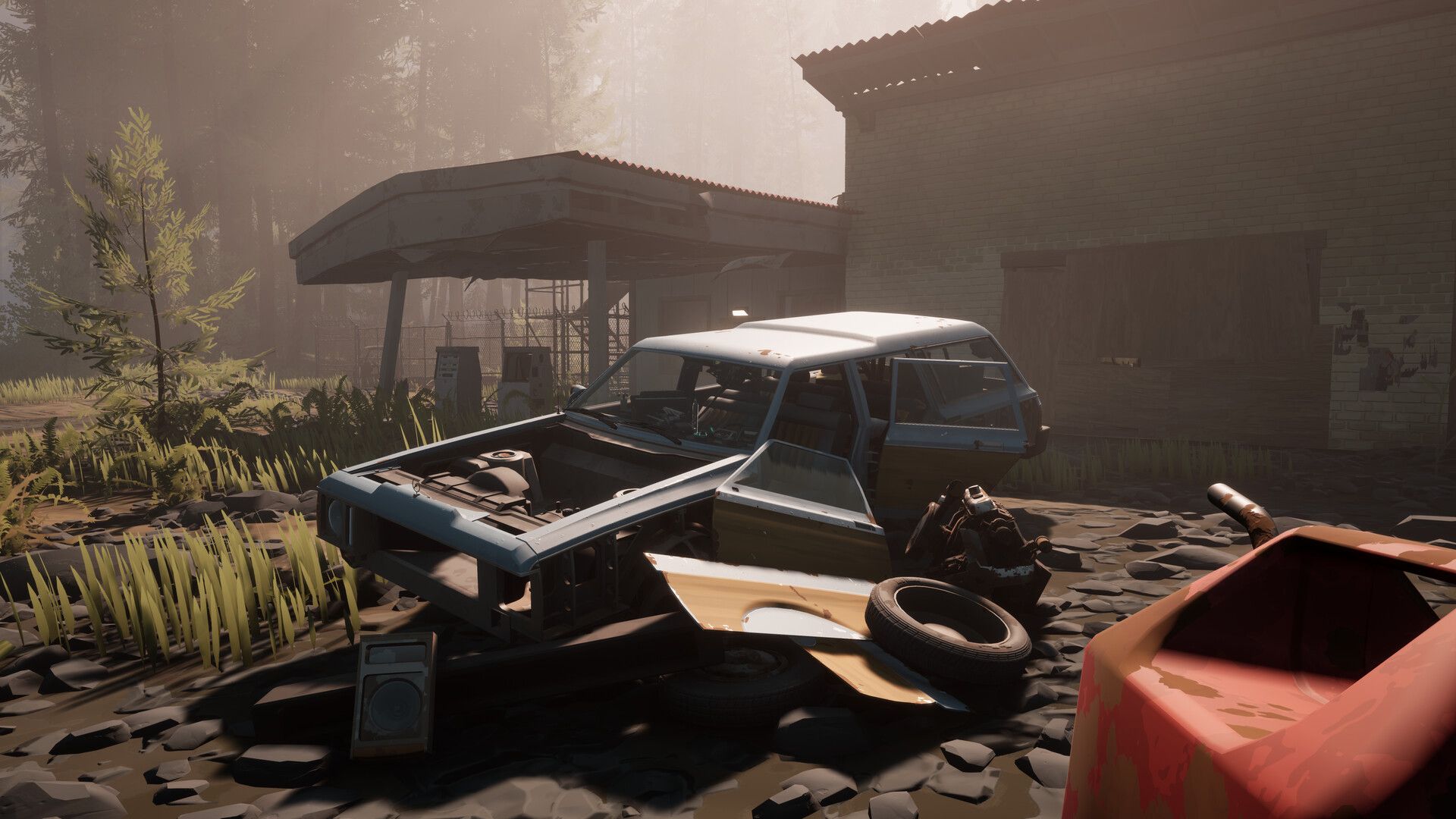
Scan the car and inspect the status of tires, panels and doors, not only their health bars. A tire that is bald or a part that is worn has crossed from repair job to replacement job. Repair Putty can restore condition, but it does not make every terminal status disappear.
Ebontis and ALCiNE both put early emphasis on tires because the route regularly leaves the road. Replace a failed basic part, recover what the Deconstructor can return and save the patching supplies for damage that happens away from the shop. Pouring chemicals into a part that still needs replacement is paying twice for the same problem.
What belongs in the emergency kit?
Pack for the failures that can strand the wagon: Repair Putty for general damage, a Sealing Kit for punctures and cracked windows, a Mechanic's Kit for loose wheels or engine trouble, and a Battery Jumper when the route threatens power. A spare tire or larger fuel can earns its space on longer drives, but the entire garage does not need to come along.
That limit matters. Side storage and roof storage are valuable because they separate emergency gear from loot, not because every slot must start full. Carry enough to recover from one ugly junction and leave room for anchors and materials. If the route calls for a specialized tool, add it deliberately instead of turning the trunk into a museum of possible disasters.
Are fuel and battery actually full?
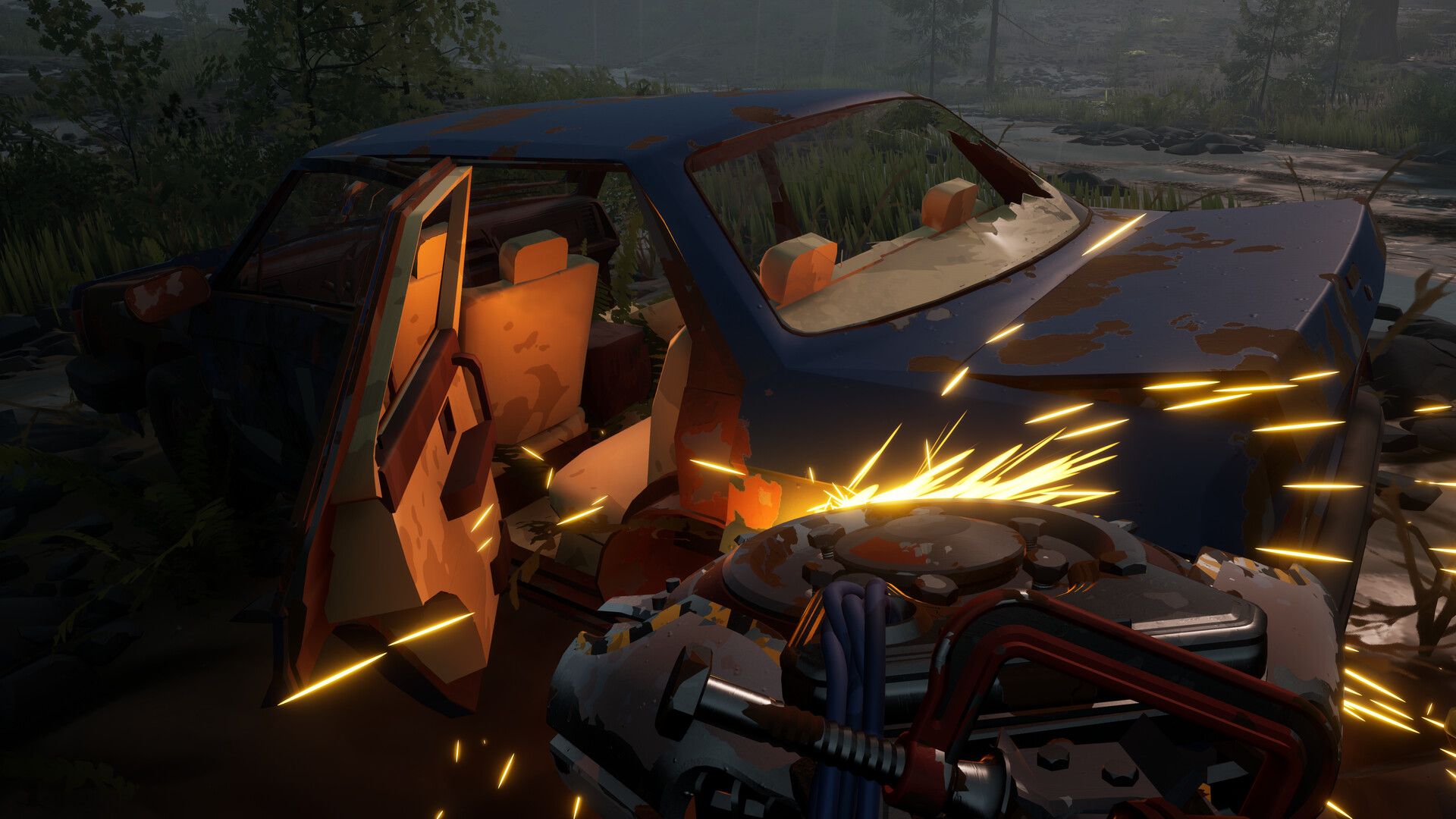
Use the garage pump and recharge switch before every departure. Ironwood's own road-trip breakdown treats both as normal pre-run work, and the official gameplay overview is blunt about what happens when the tank runs dry in the Zone.
Top off the portable fuel can too. Early routes may provide abandoned cars, fuel stations and other sources, but a reserve is there for the junction that does not cooperate. The same logic applies to power: lights, abilities and tools compete for battery, so the car should not begin a long route already asking for a rescue.
What is the route asking from the car?
Read every junction, not only the destination. The Route Planner can show atmospheric shifts, radiation density, anomaly risks and available resources. Those details decide whether the wagon needs off-road grip, extra storage, more fuel, a different defense or a shorter trip.
This is where the creator advice splits usefully. IGN favors permanent capacity upgrades such as side storage and a larger fuel can. The broader beginner guides put more weight on scanning, supplies and exit knowledge. Both approaches work when they answer the route in front of you. Neither justifies bolting on the same loadout and hoping the Zone respects habit.

Where does the run end?
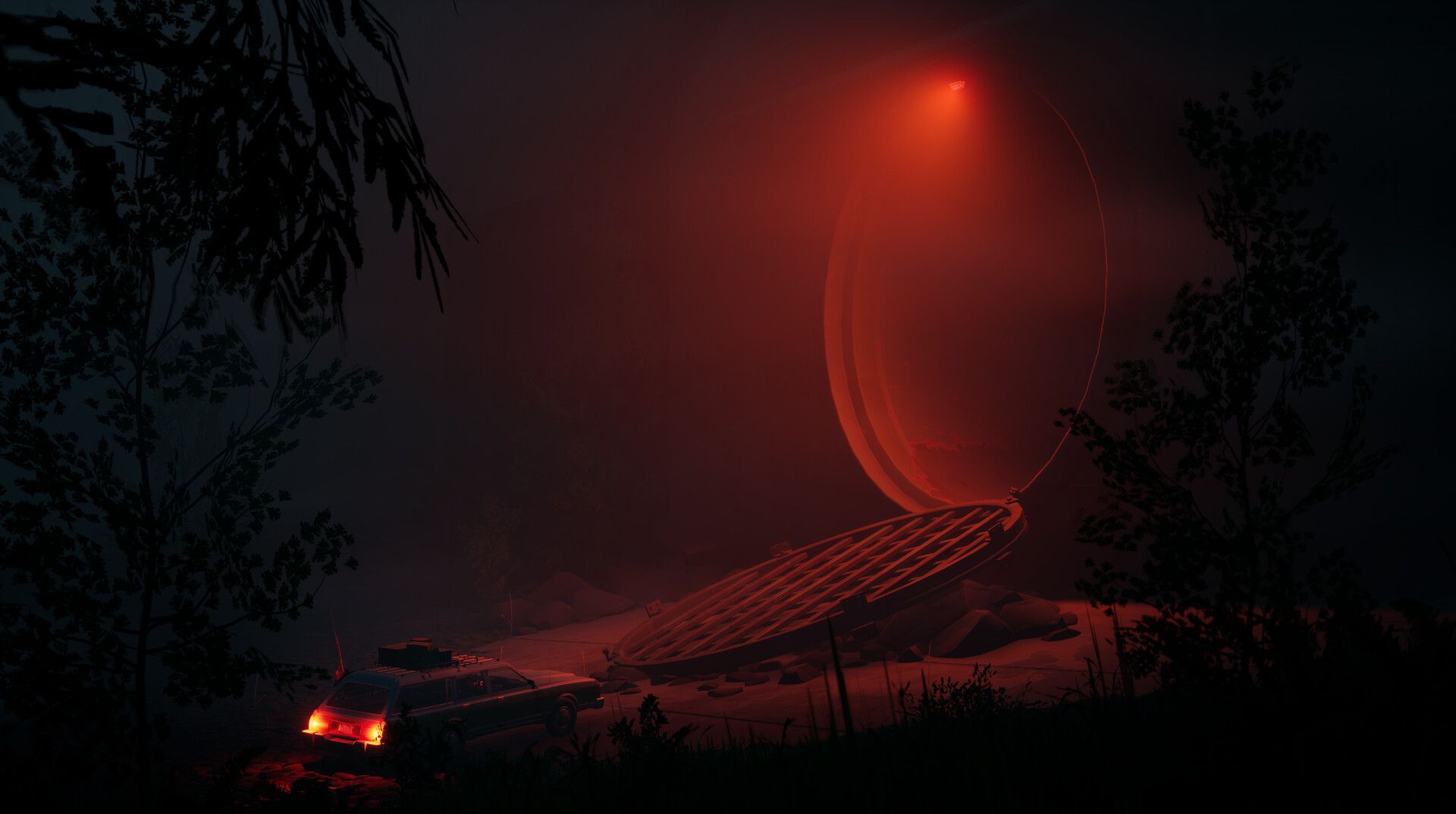
Check whether the final junction offers an exit and how much anchor energy the trip expects. That does not mean choosing the exact gateway from the garage. Gateway positions appear on the in-car map inside a junction, and some only become usable when the car is far enough away.
The useful garage decision is simpler: do not select a destination with no understood way out. During the run, collect enough anchors, keep a usable road between the wagon and a likely gateway, and stop looting before the exit becomes a panic drive across cliffs or dense forest. Once the gateway is activated and the storm closes, the route home should already be the only job left.
Three questions before the door opens
Is the wagon healthy enough for this route? Does the trunk hold recovery gear without stealing the space needed for the haul? Does the destination have a believable exit? If any answer is vague, the run is not ready. Pacific Drive will create enough surprises after departure. There is no prize for bringing one from the garage.