
Breach farming in Path of Exile 2 mostly comes down to one question: are you farming raw loot now, or farming Hiveblood and Wombgifts so the Genesis Tree pays you later? The best setup depends on your build, your tablet budget, and how much risk you want in the farm.
If you want the clean default answer, start with Hiveblood farming. It is easier to run than the expensive rare-monster setup, and the payout is simple: stack Hiveblood, spend Lavish Wombgifts on catalysts, then use extra materials on amulets or rings.
Raw Rare-Monster Breach Farming
This setup farms the rare monsters that spawn when a Breach stabilizes. It is stronger when your build can kill fast, survive dense packs, and make the expensive tablets pay for themselves.
- Use two Breach tablets with additional rare monsters when the Breach stabilizes.
- Add a Wraeclast Besieged Breach tablet for more rare monsters.
- Look for increased pack size. Avoid reduced pack size if the roll makes the map worse.
- Stack monster rarity and effectiveness where you can.
- City biomes are best because they can support more tablet juice.
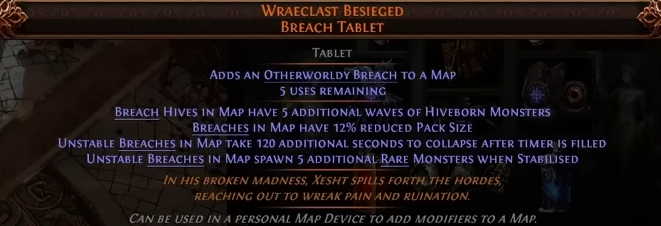

This can scale hard with Delirium, but do not force that version early. If normal Breach already pressures your build, Delirium-stacked Breach will turn the farm into a repair bill.
Hiveblood Farming
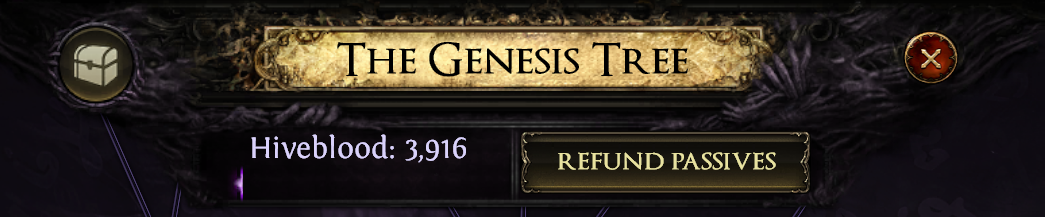
This is the best default Breach strategy from the video. The plan is simple: stack Hiveblood quantity on tablets, run Breaches quickly, then spend the Hiveblood through the Genesis Tree.
- Use three tablets with Hiveblood quantity.
- Add effectiveness if the tablet price is reasonable.
- Wombgift quality is a good bonus, but Hiveblood quantity is the main stat.
- Doryani is the safer Atlas master choice for consistent map juice.
- City, desert, and grass biomes are the preferred map types.
The video mentions roughly 1,600 to 1,900 Hiveblood per Breach with a good setup, but treat that as a rough example, not a guarantee. Your rolls, build speed, biome, and tablet prices all matter.
Wombgift Farming
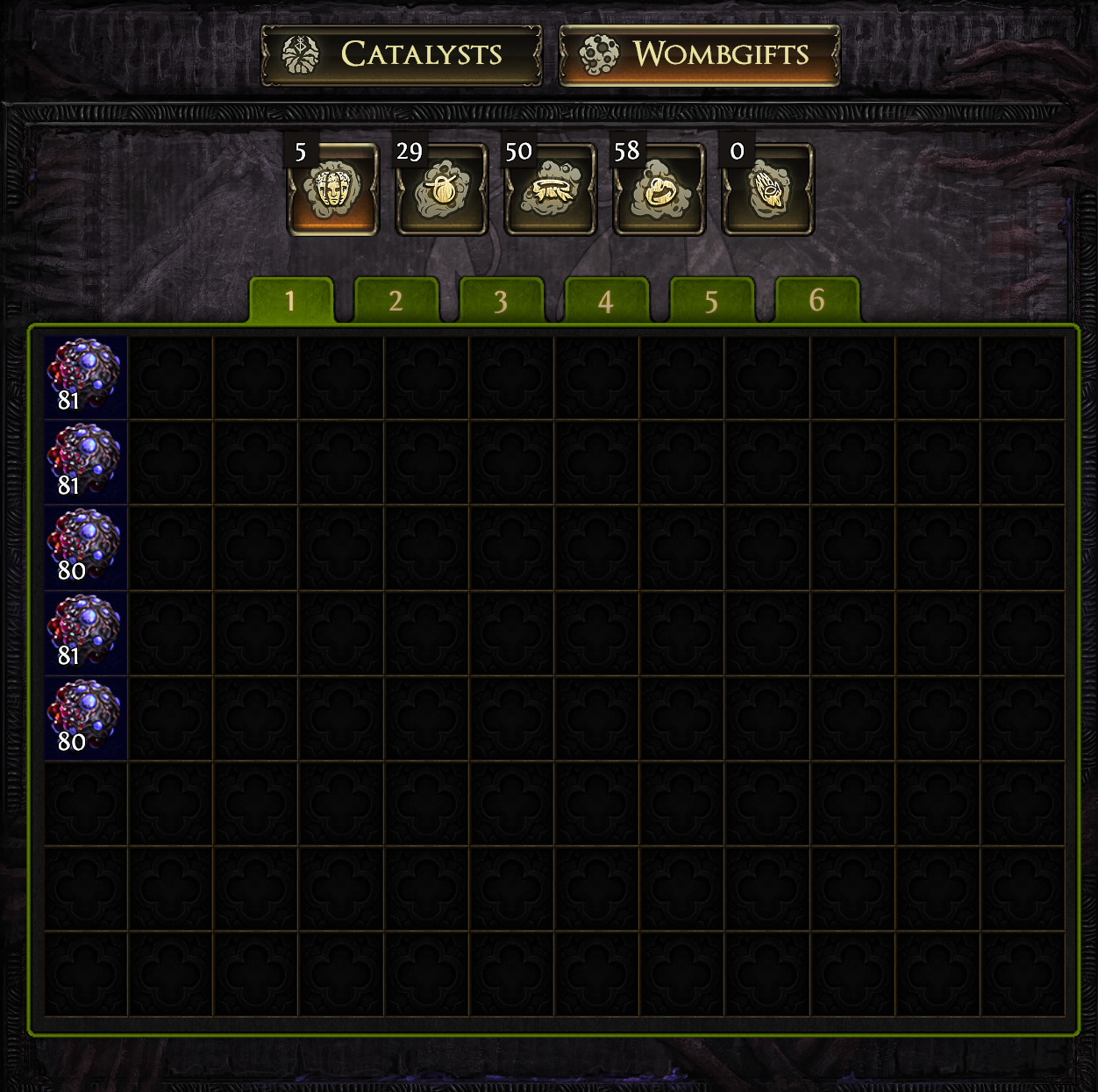
Wombgift farming is not the main plan. It is the fallback when you have plenty of Hiveblood but not enough Wombgifts left to spend it.
- Use tablets with increased Wombgift quantity.
- Higher item level matters more for amulets and rings than for catalyst cash-outs.
- Run irradiated higher-tier maps when you are chasing stronger jewelry outcomes.
- Swap back to Hiveblood farming once your Wombgift supply is healthy again.
Do not overcomplicate this. If Hiveblood is the bottleneck, farm Hiveblood. If Wombgifts are the bottleneck, farm Wombgifts. The bad farm is the one where half your materials sit unused.
Genesis Tree Cash-Out Order
The Genesis Tree is where Breach farming turns into currency. Spend in the right order so you lock in the steady payout before chasing the big hits.
Best First Setup
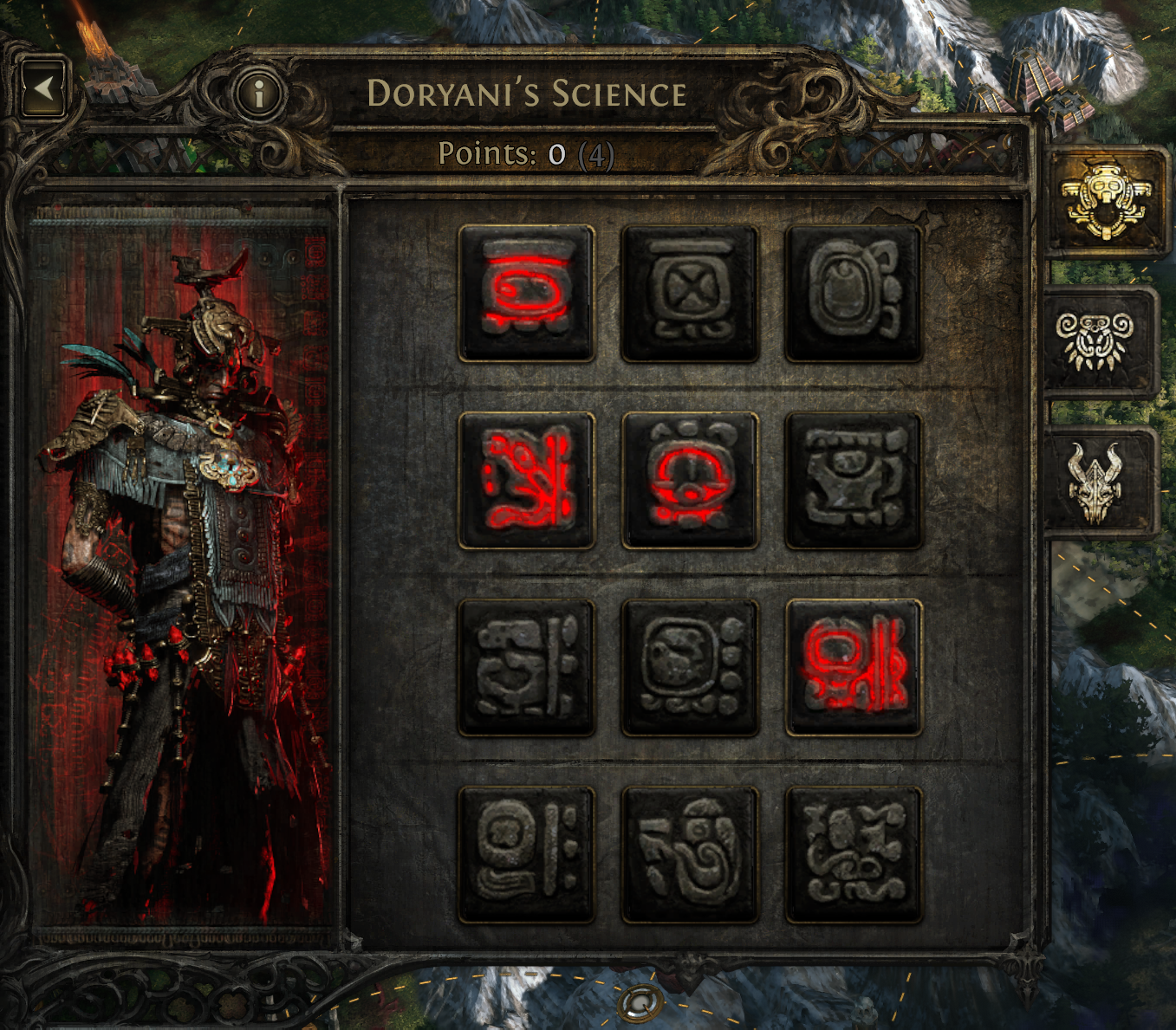
For most players, start with Hiveblood tablets and catalyst cash-outs. It is the least messy version of the farm and does not require a monster build to get moving. Once the strategy is paying for itself, branch into rare-monster farming or higher-risk Genesis Tree targets. Use the above doriyani setup as atlas masters, good as we get a free irradiated level for the map.
Common Mistakes
- Buying rare-monster tablets before your build can stabilize Breaches cleanly.
- Ignoring pack size on Wraeclast Besieged tablets.
- Spending Lavish Wombgifts anywhere except catalysts first.
- Farming Hiveblood all day with no Wombgifts left to spend it.
- Treating amulets, rings, or belts like guaranteed profit.
- Adding Delirium before normal Breach feels comfortable.
Start boring, get paid, then get greedy. Hiveblood farming into catalyst cash-outs is the clean Breach plan. Raw rare-monster Breach is stronger when your build and budget can handle it, and belts are there for players who enjoy being personally insulted by RNG.
Be the first to add a comment.