
ROUTINE Review: Lunar Horror That Still Knows How To Get Under Your Skin
ROUTINE is strongest when it trusts tactile puzzle horror, retro-future dread, and quiet spaces that feel hostile before anything moves.
ROUTINE is the kind of horror game that understands empty rooms can do more damage than monsters if the sound design is mean enough. It is slow, tactile, and deeply committed to making the lunar base feel wrong.
| Category | Read |
|---|---|
| Best part | Atmosphere, interfaces, and physical puzzle work. |
| Weak spot | The narrative payoff is less sharp than the setup. |
| Verdict | A strong sci-fi horror game with enough friction to feel handmade. |
The Station Is The Star
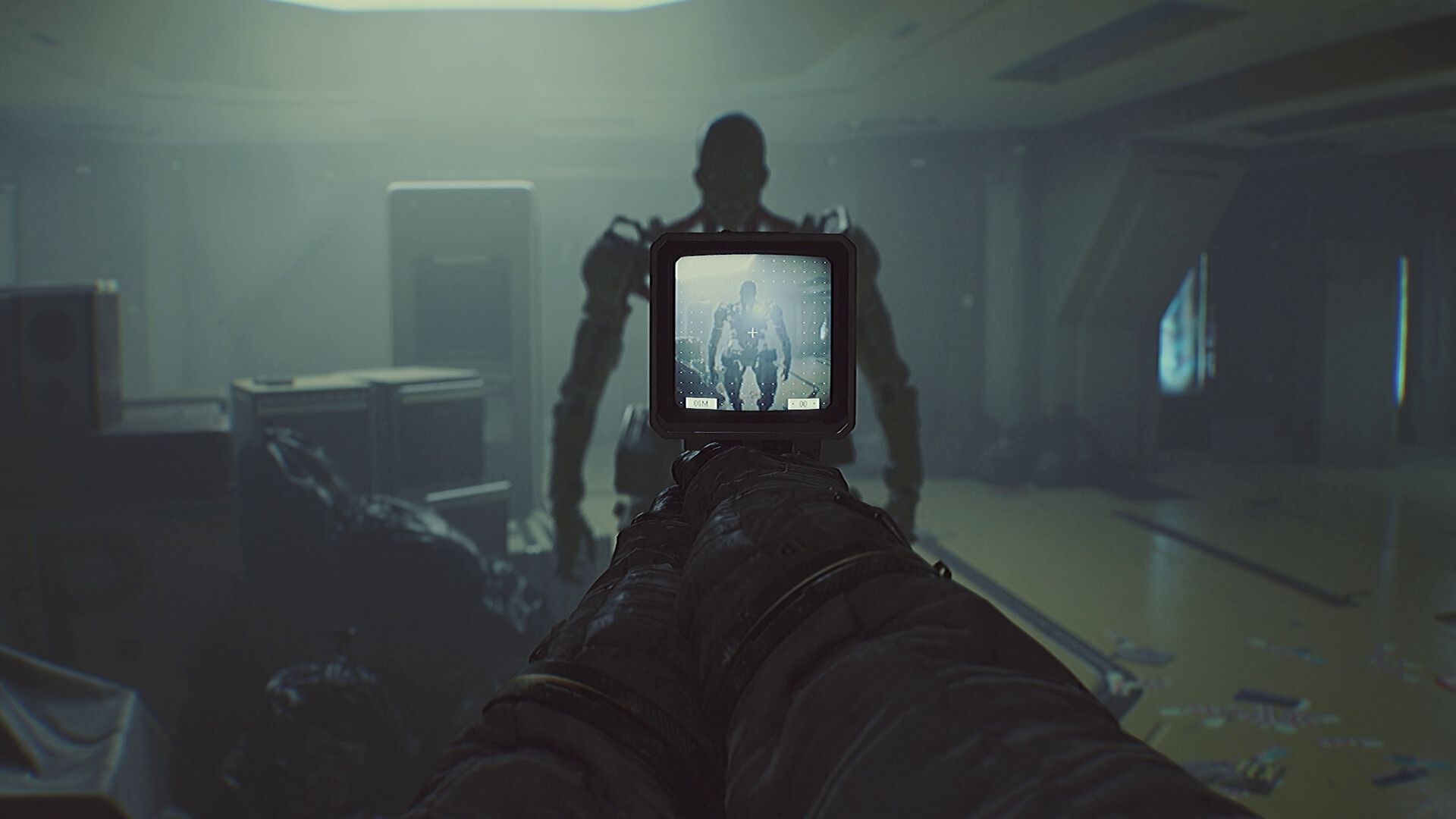
ROUTINE's lunar base feels used, not decorated. Terminals, doors, tools, hallways, and warning sounds all sell the same idea: this place had rules before you arrived, and it is not interested in explaining them politely.
The Puzzles Work Because They Feel Physical
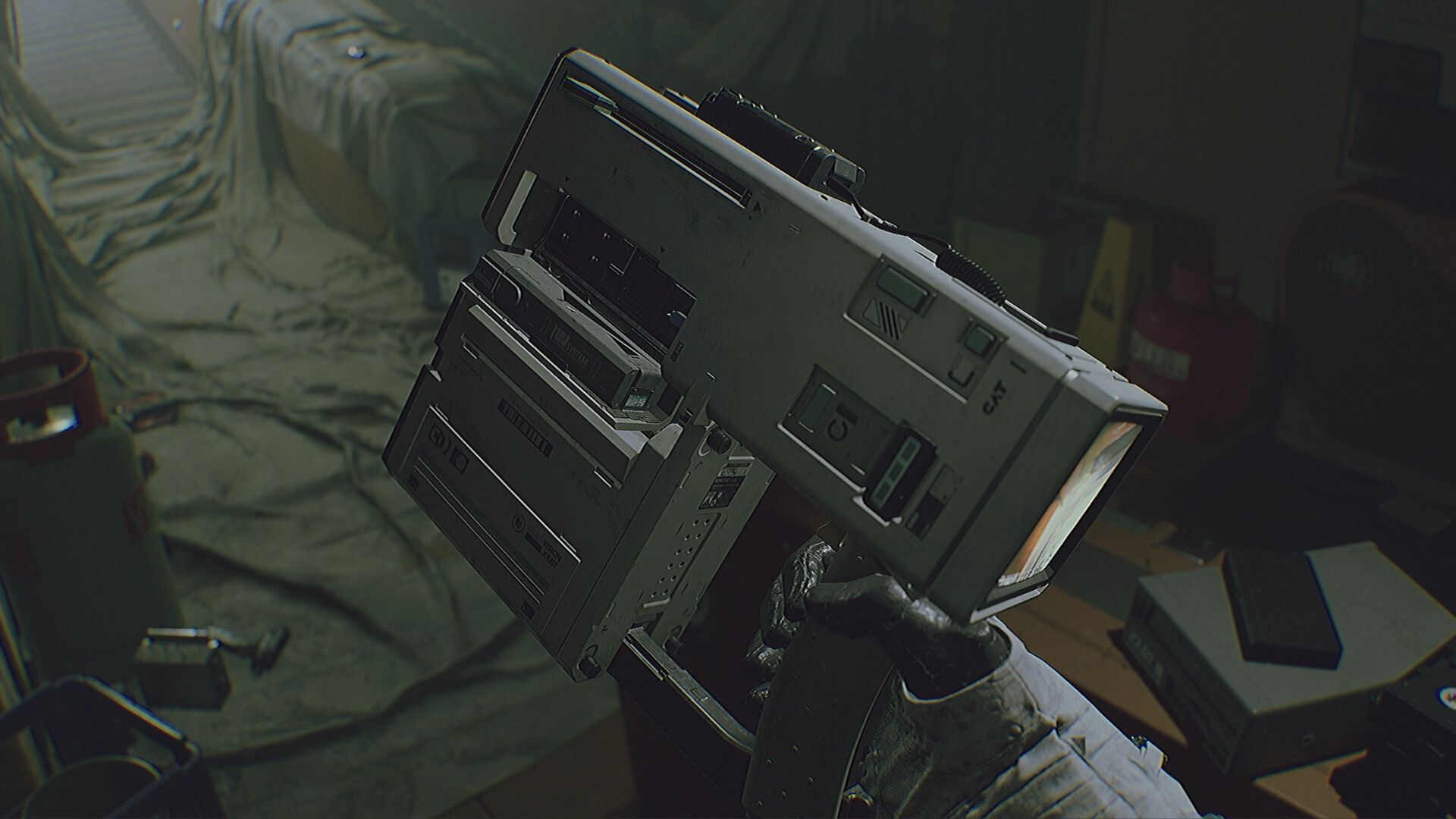
The best interactions are not abstract key hunts. They feel like handling strange equipment under pressure. That matters because ROUTINE's horror is built around presence; the game wants your attention on the panel, the screen, the battery, and whatever noise just happened behind you.
Where It Fades
The story is the weaker half. It has mood, but the answers do not hit as hard as the questions. ROUTINE is better at dread than resolution, which is not fatal for horror, but it does leave the ending feeling smaller than the journey.
Final Verdict
ROUTINE is still worth playing if you like sci-fi horror that makes buttons, lights, and empty corridors feel hostile. It is not flawless, but its best moments have that rare 'please do not make me open the next door' energy.