
6 RPG Cities That Feel Like Places Instead Of Menus
These cities use work, class, geography and recurring routines to make streets matter beyond shopping and quest delivery.
A convincing RPG city needs more than crowds and shops. Its districts should have a purpose, its streets should change how quests work, and returning later should reveal something the first visit could not. These six places meet that standard.
1. Novigrad - The Witcher 3: Wild Hunt
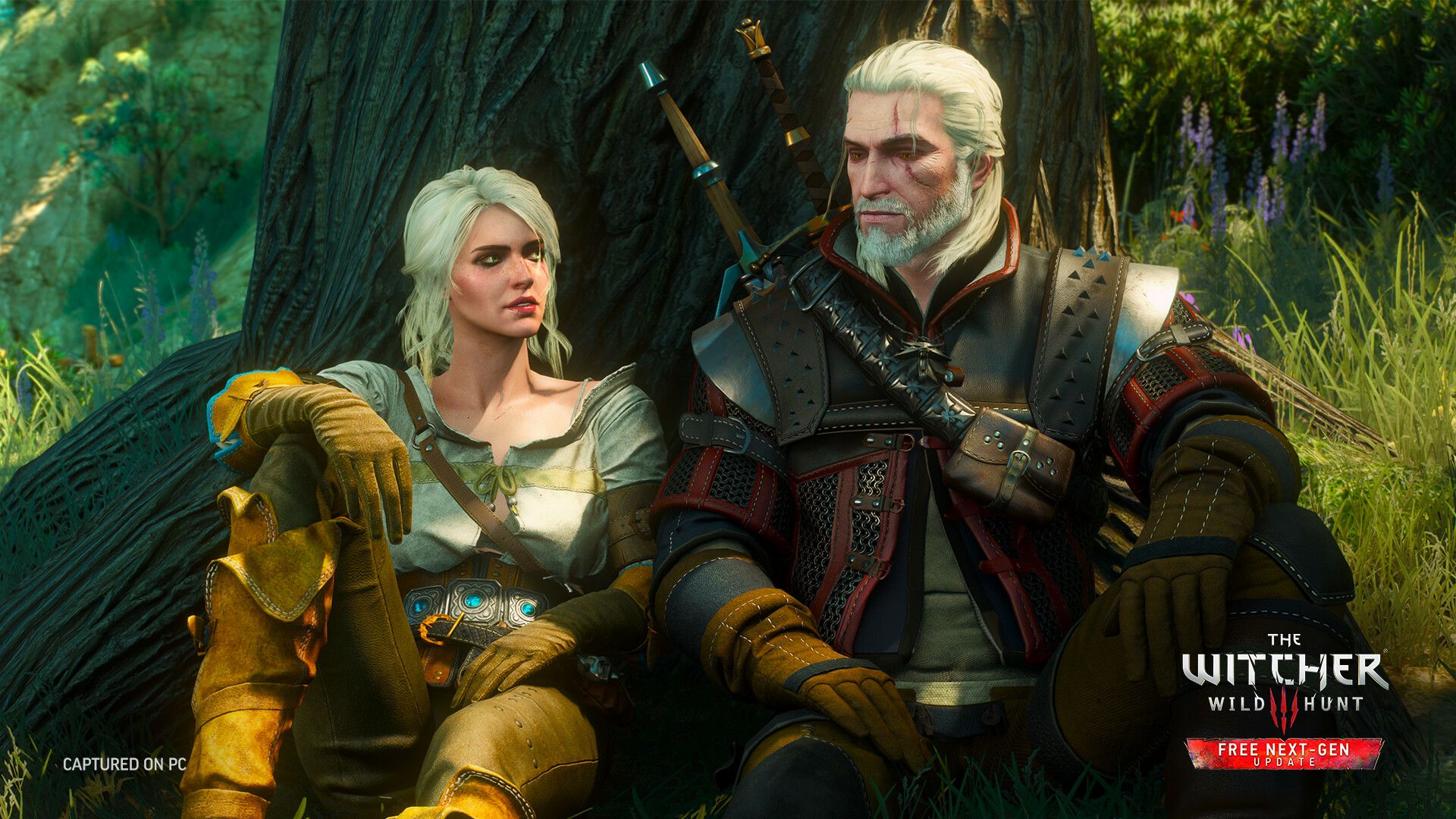
Novigrad works because trade, religion, crime and war occupy different streets. Quests repeatedly send Geralt through those social layers, so the city is more than a large market between monster hunts.
Store page: The Witcher 3: Wild Hunt
2. Kamurocho - Yakuza 0
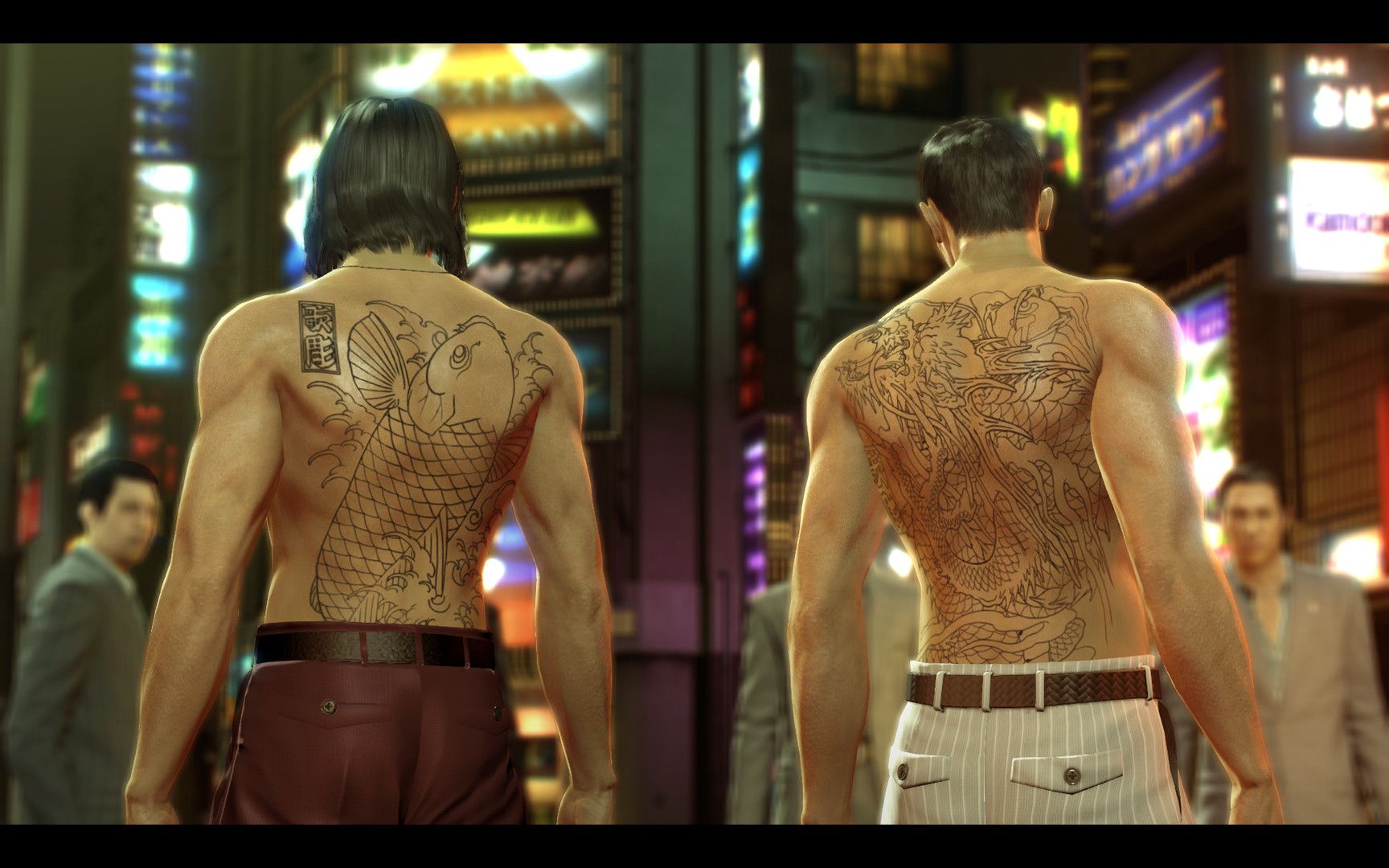
Kamurocho is compact enough to learn and dense enough to keep changing. Restaurants, alleys, arcades and side stories make ordinary movement through the district part of the game rather than time between missions.
Store page: Yakuza 0
3. Martinaise - Disco Elysium
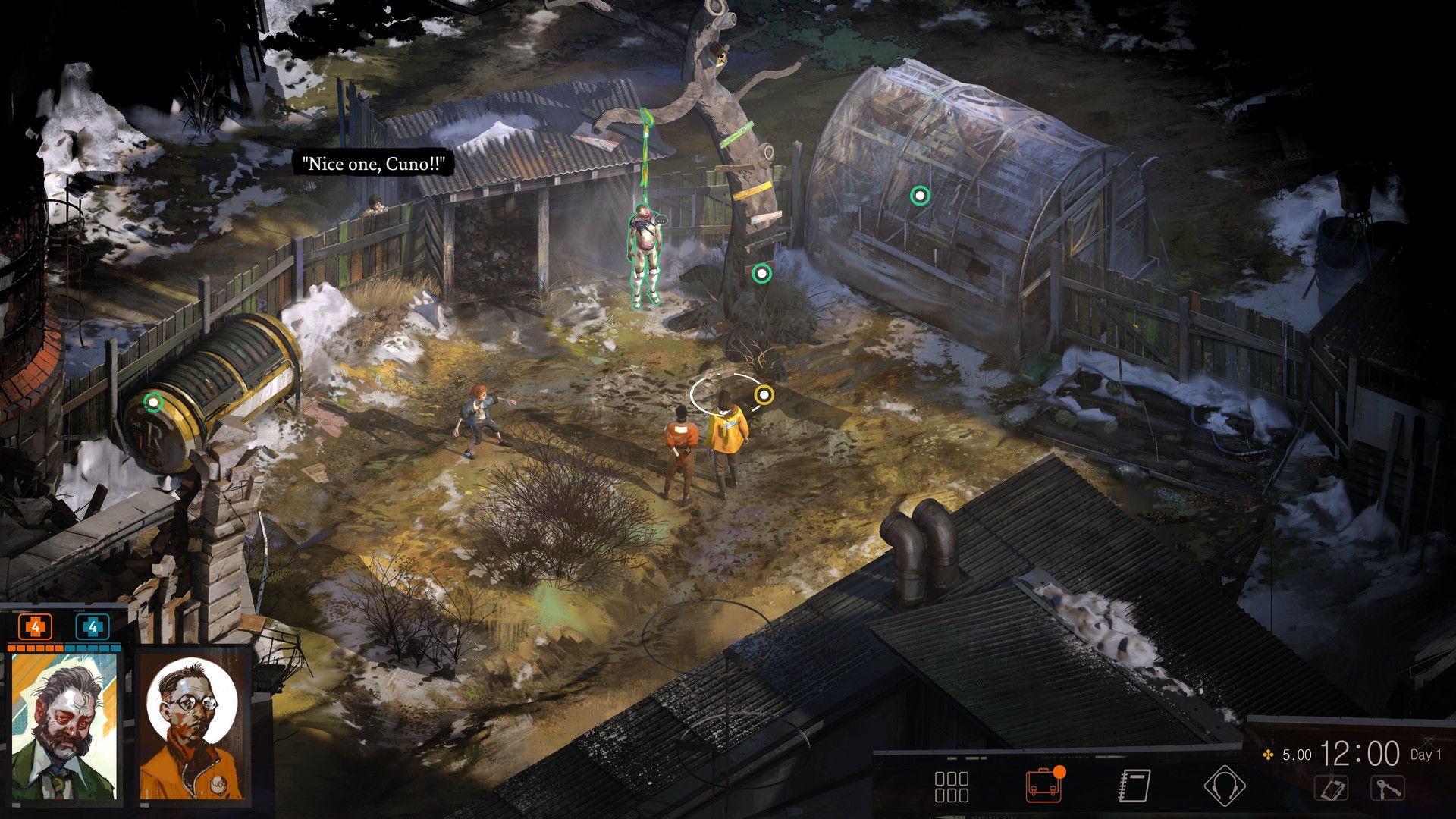
Martinaise is smaller than the other places here, but almost every building carries political or personal history. Returning to the same corners with new information changes what the player notices.
Store page: Disco Elysium
4. Kuttenberg - Kingdom Come: Deliverance 2
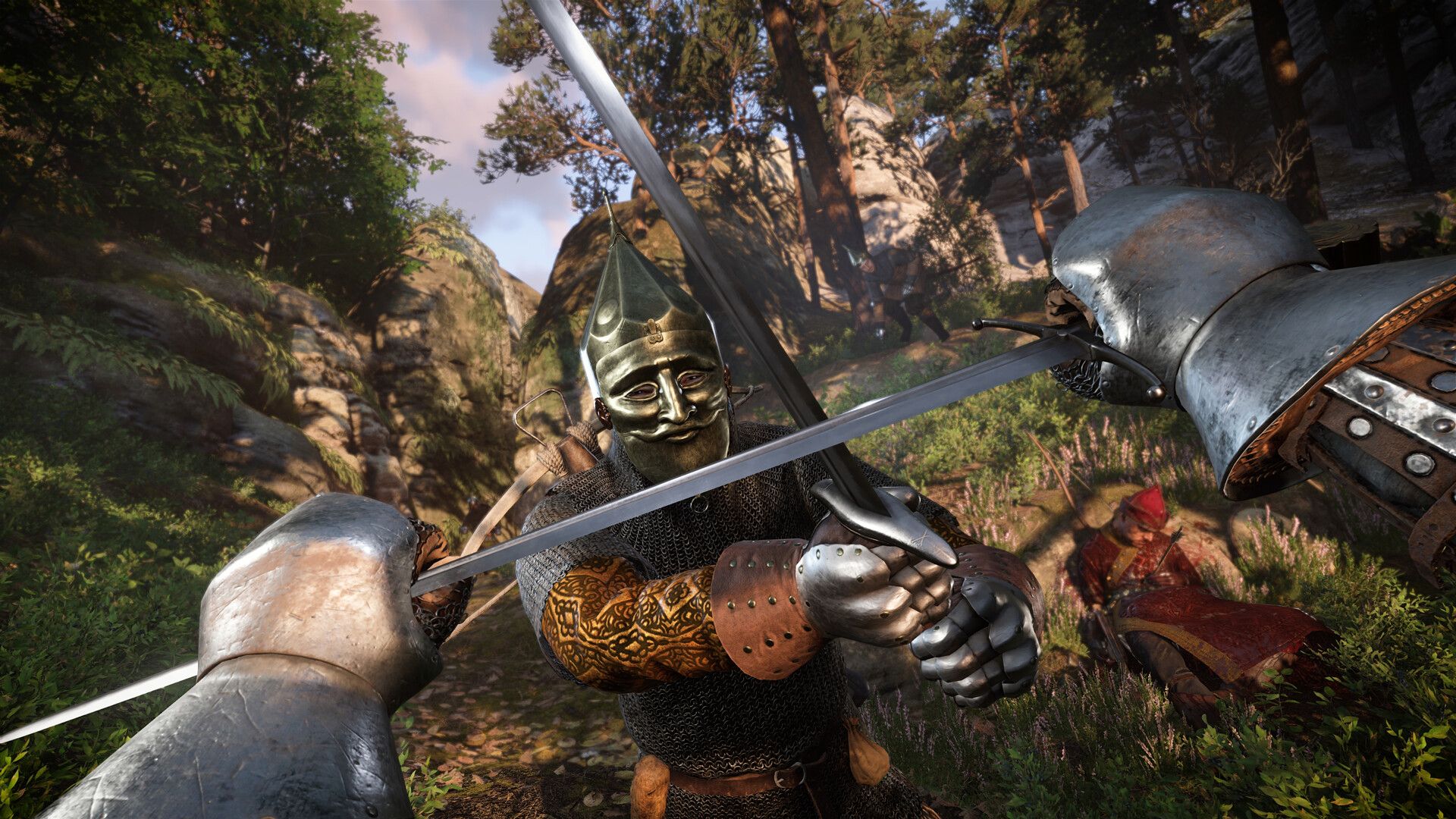
Kuttenberg sells its scale through work, class and congestion. Markets, workshops, guards and private homes make Henry's access to the city depend on clothing, reputation and purpose.
Store page: Kingdom Come: Deliverance 2
5. The Lower City - Baldur's Gate 3
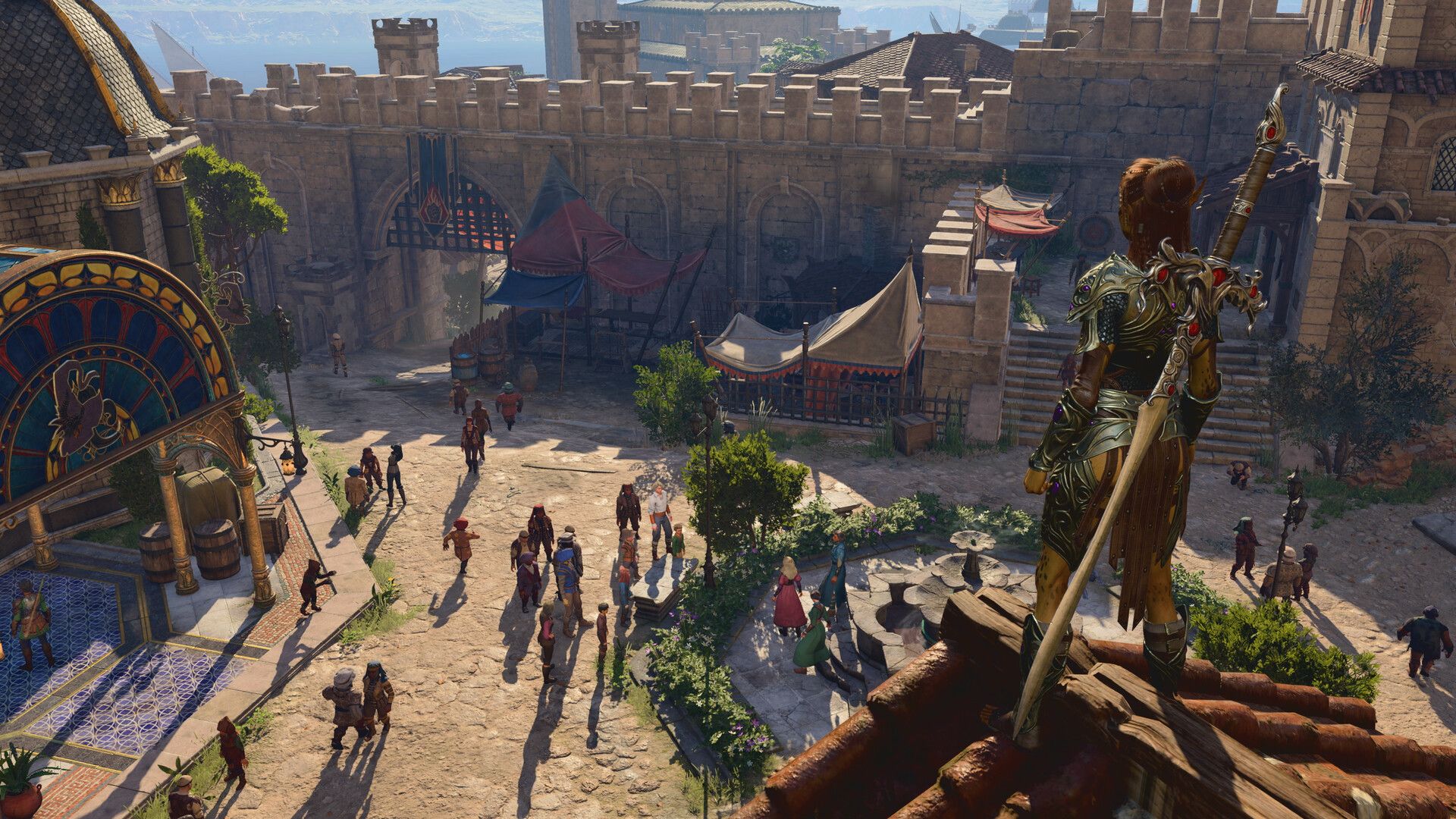
The Lower City turns late-game density into choice. Companions, factions and unresolved quests overlap, so entering a shop or basement can alter several stories at once.
Store page: Baldur's Gate 3
6. Whiterun - The Elder Scrolls V: Skyrim
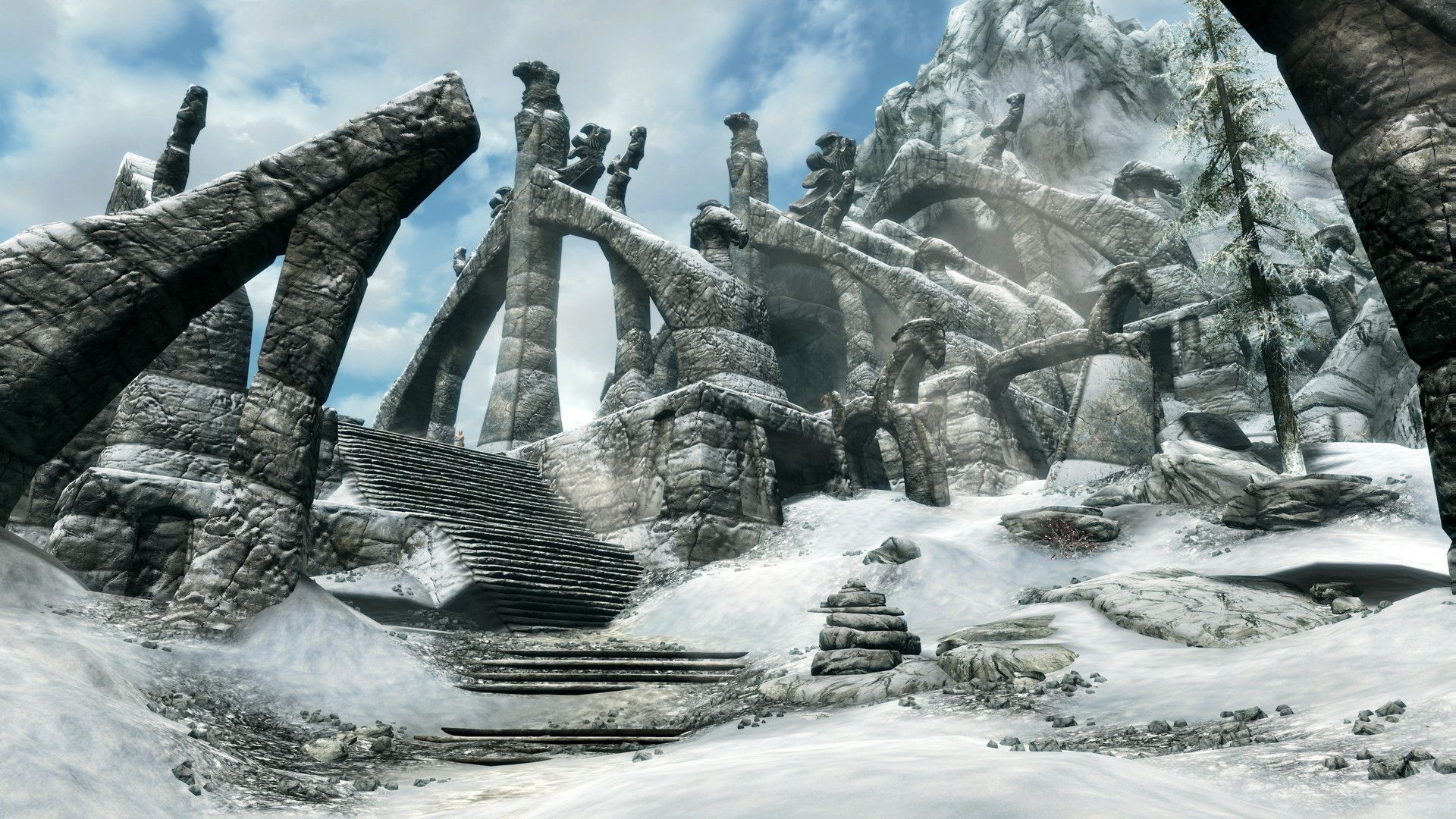
Whiterun is simple, readable and useful. Its districts communicate status immediately, while the central location makes it a place players repeatedly return to rather than visit once.
Store page: The Elder Scrolls V: Skyrim
Size is not the test
Martinaise is smaller than Novigrad, and Kamurocho is reused across many games. Both succeed because the player learns what happens in specific buildings and streets. A city feels real when its layout carries memory, work and conflict, not when the map takes longer to cross.