
Trails In The Sky 2nd Chapter Review: A Loving Remake Of The Part That Pays Everything Off
The 2nd Chapter remake carries the weight of one of Falcom's most beloved payoffs, and early critical response says it mostly understands why.
This is the chapter that has to land
Trails in the Sky 2nd Chapter is not just another remake of a respected RPG. It is the payoff half. The first game spends hours making players care about Estelle, Joshua, Liberl, and every slow little thread Falcom loves to pull. This one has to cash that check without sanding away what made the original matter.
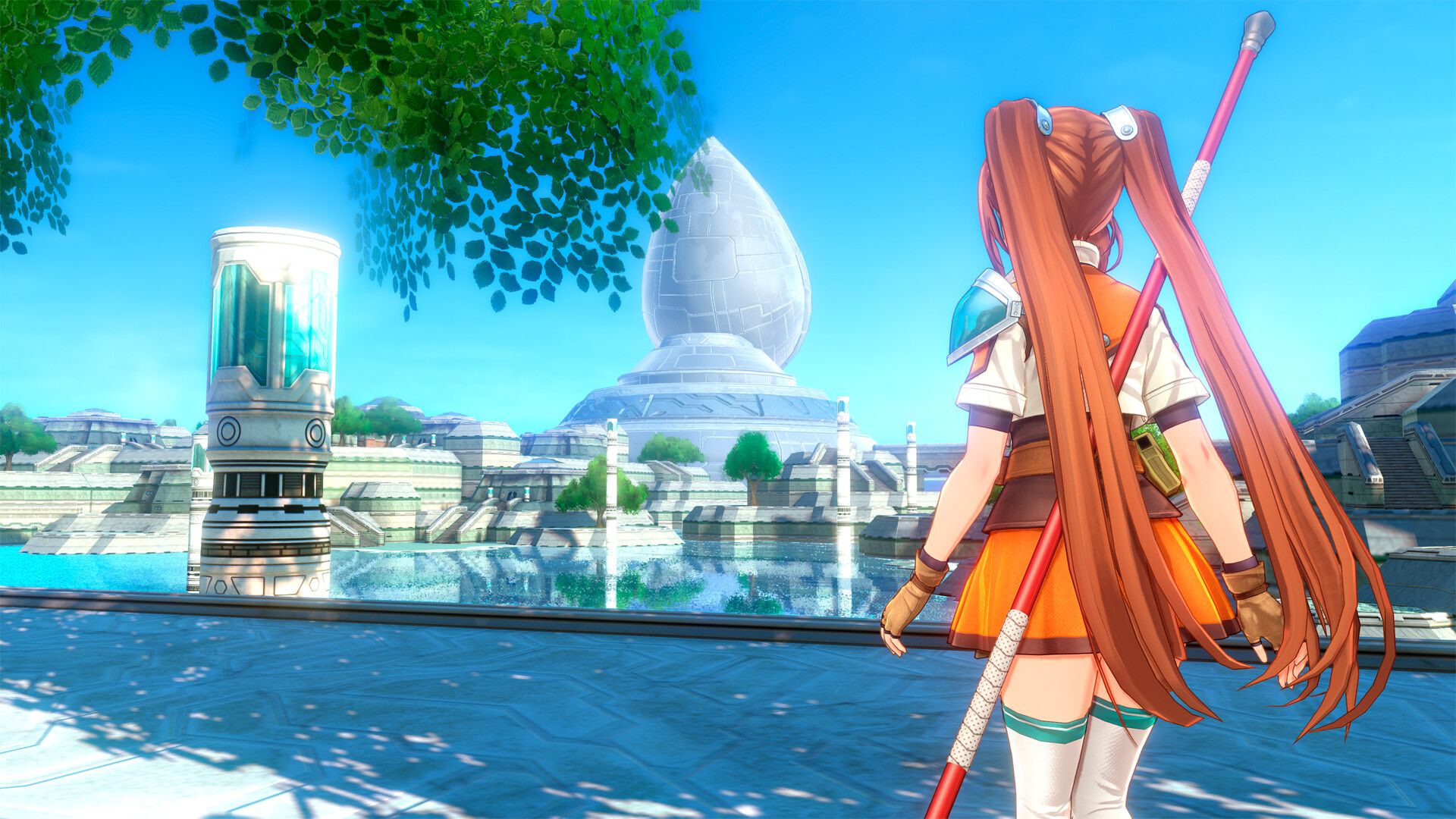
The good: story payoff and cleaner play
The current review spread is landing where you would hope: the cast still works, the emotional weight still works, and the remake's cleaner combat/UI flow makes the old structure easier to return to. That matters because Trails is not built on one big twist. It wins by stacking context until the obvious conversation suddenly hurts.
The combat changes also seem to help without turning the game into something it is not. Faster flow, clearer presentation, and modern camera work make long sessions easier while keeping the tactical JRPG spine intact.
The friction: dense Trails is still dense Trails
The caveat is the same one this series has carried for years: Trails asks for patience and means it. If you need constant escalation, this will still feel talky. If you want every scene to be plot fireworks, the careful connective tissue may test you.
Platform differences are also worth checking before buying. Early technical coverage points to meaningful version differences, especially around Switch 2 compromises compared with PC and PS5. That does not kill the game, but it does make the version choice more important than usual for a story-heavy remake.
Game Pelt verdict
Trails in the Sky 2nd Chapter sounds like the right kind of remake: respectful, clearer, and confident enough to let the old story breathe. It is not suddenly a snappy modern RPG for people who dislike slow burns. It is, however, a very good argument that some slow burns are worth protecting.