
Dying Light The Beast Restores The Horror But Repeats Its Bosses
Castor Woods restores the series' nighttime tension and brutal melee combat, but repetitive bosses and a routine revenge story limit the return of Kyle Crane.
Dying Light: The Beast is a good Dying Light game because it stops trying to make Kyle Crane powerful all the time. Castor Woods is dangerous after dark, basic infected can still exhaust a bad plan, and the best fights begin with too few resources and no clean exit. Beast Mode gives Crane an explosive answer, but the game is strongest in the minutes before it becomes available.
That foundation carries a campaign with familiar weaknesses. Human enemies remain dull, the revenge story rarely surprises, and several major infected are ordinary damage checks dressed as hunts. Techland has tightened the series after Dying Light 2, but it has not solved the parts that become repetitive once movement and melee stop feeling new.
Castor Woods changes the route, not the appeal
The rural setting is a genuine shift from Harran and Villedor. Villages, tourist facilities, woods and industrial pockets create distinct local spaces, while open roads make vehicles more important. The change gives the game a stronger horror atmosphere because darkness is not broken by an endless line of convenient rooftops.
It also weakens the continuous parkour flow that defined the larger cities. There are good climbing routes and dense settlements, but stretches of open land connect them. Several reviewers praised the detail and atmosphere while noting that the map offers fewer surprises or fewer uninterrupted opportunities to move above the infected. Both observations fit: Castor Woods is visually convincing and mechanically less consistent.
Vehicles prevent the rural scale from becoming constant dead travel. They are practical rather than transformative. Driving gets Crane to the next district, but the best play still happens after leaving the road and reading a building, a group of infected and the available exits.
Melee combat remains the reason to play
Techland's impact work is excellent. Bladed weapons cut where they land, blunt attacks move bodies with convincing force, and the sound design makes a desperate close-range fight easy to read. Stamina and weapon condition discourage endless swinging, particularly before Crane's skills and inventory expand.
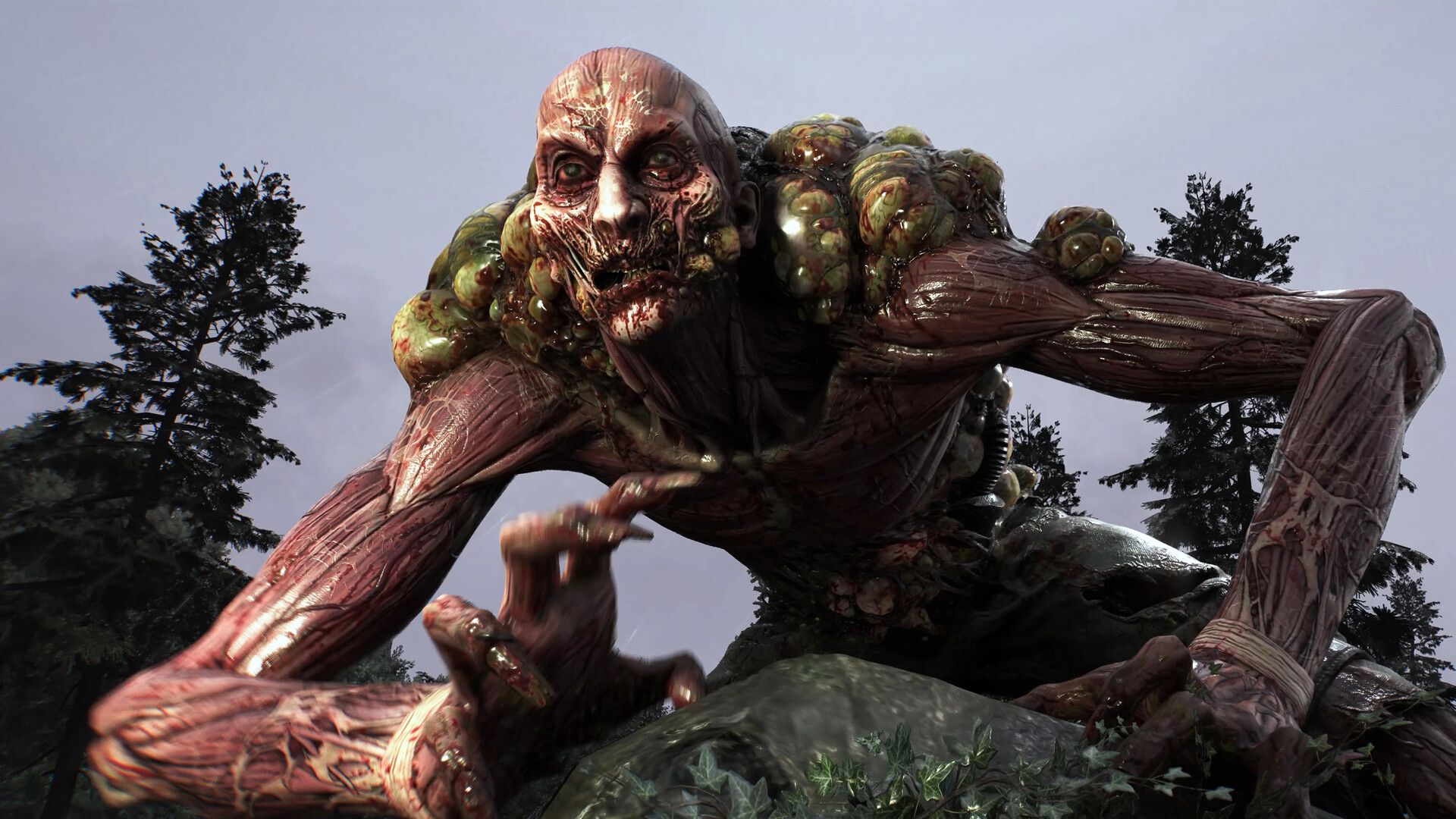
GameSpot gave extra weight to this reduced power curve, arguing that vulnerability improves the survival side of Dying Light. Mortismal Gaming's full-completion review also treated combat and progression as the core strengths while separating them from the weaker narrative material. PC Gamer was less impressed by the boss encounters, especially the repeated large infected that absorb damage without changing the problem.
The difference matters. Fighting a group in a narrow room works because every shove, dodge and broken weapon changes the situation. Fighting another oversized target often means waiting for the same openings and reducing a large health bar. The game understands physical combat better than encounter variety.
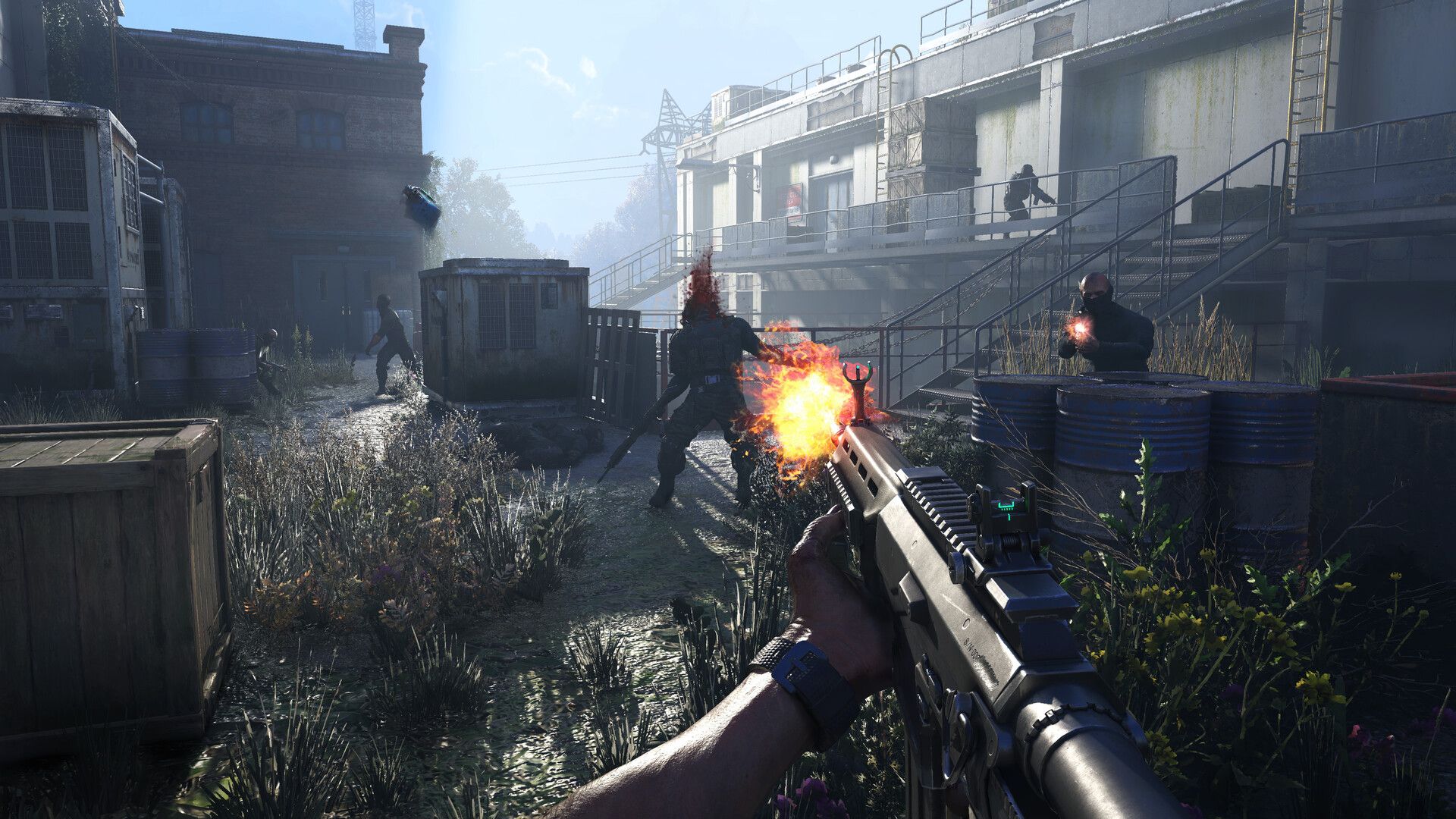
Firearms broaden the options without erasing melee. Ammunition and noise keep guns from becoming the only answer, though they reduce pressure once resources are abundant. Human opponents expose the limitations more clearly. Their behavior and encounter layouts rarely match the expressiveness of fighting infected, a criticism repeated by TechRadar and several video reviewers.
Beast Mode needs ordinary danger around it
Crane's transformation is an effective emergency tool. Building the meter while under pressure and then using it to reverse a bad fight creates a clean rhythm: survive, commit, release. The attacks are deliberately excessive, and they provide a satisfying contrast with the caution required at night.
Beast Mode becomes less interesting when an encounter is designed around waiting for it or when progression makes the surrounding combat too forgiving. IGN praised the feature as the main addition that distinguishes this entry, while GamingBolt and Gameranx were more interested in how it fits the existing loop than in treating it as a new combat system. That is the right scale for it. Beast Mode improves Dying Light; it does not redesign Dying Light.
Progression is shorter and easier to understand
The condensed skill trees suit the campaign. Useful movement and combat improvements arrive without requiring a long grind through minor percentage gains. Chimera abilities provide another progression track, and the level cap can be reached without clearing every map marker.
That focus is welcome after the excess of Dying Light 2, but players who want a long RPG climb may find the ceiling quickly. The current anniversary event and later updates add reasons to return, yet the central appeal is still one campaign rather than an endless progression structure.
The inventory creates more friction than the skill tree. Weapons, upgrades and crafting materials generate frequent comparison and maintenance, but most decisions remain straightforward. The system supports scarcity early and becomes routine later. It is functional, not a major reason to explore every corner.
Night is threatening again
The strongest design decision is simple: nighttime matters. Visibility falls, Volatiles change how a route is planned, and an ordinary objective can become a retreat. The woods and open roads leave fewer automatic escape lines than a dense city. Story mode can reduce the punishment without removing the atmosphere, while higher difficulties preserve the resource pressure for experienced players.
GamesRadar and TechRadar both placed substantial weight on the world and nighttime tension. CohhCarnage's extended early impressions similarly emphasized the return of a harsher survival tone. Player reviews on Steam are broadly positive, with 87 percent of English-language reviews positive at the time of this research, but recurring complaints still target repetition, parkour feel and the value of a project that began as downloadable content.
The game earns its standalone status through scale, but the question of value is reasonable. At full price, the ordinary story and repeated boss structure are harder to ignore. At the current 50 percent Steam anniversary discount, the campaign is an easier recommendation.
Kyle Crane is useful; the revenge plot is not
Returning to Kyle gives the story immediate context for series players. His physical condition justifies Beast Mode, and his history makes the conflict personal without requiring a new origin story. Roger Craig Smith's performance gives Crane enough anger and fatigue to carry direct scenes.
The writing around him is less effective. The Baron is a functional target, allied characters deliver objectives, and the plot moves from experiment to retaliation without developing many difficult choices. IGN called the story generic; PC Gamer and other reviews arrived at similar criticism through the boss-hunt structure and radio-directed objectives.
Side quests are often better because they can focus on one place or consequence instead of advancing the revenge plot. Castor Woods contains environmental detail, recordings and smaller stories that explain how people lived before and during the collapse. Those discoveries support the setting more effectively than another speech about the main villain.
Performance is generally solid, with limits
PC Gamer's hardware testing found respectable performance across modern hardware and noted that the lower presets retain much of the visual quality. Low-VRAM systems can still encounter stutter, and upscaling remains important at demanding resolutions. The official requirements and current patch context should be checked before assuming that every older PC will hold a stable target.
Patch 1.7 is the current anniversary build. Techland has continued adding events, rewards and fixes over the first year, and the Steam version now carries a large, very positive English review sample. That support improves the current purchase, but it does not alter the underlying campaign criticisms. Repetitive bosses do not become better because an anniversary event adds another reward track.
Console players should expect the usual advantage of a fixed target and the disadvantage of fewer settings. No source in this research supports claiming identical performance across every platform and mode. The broad evidence supports a technically competent release rather than a flawless one.
The official PC requirements set 16 GB of memory and an SSD as the minimum baseline. That matters more than the visual preset labels suggest. PC Gamer's tests found that lower settings preserve much of the image quality, so reducing resolution or using upscaling is a better first response than assuming the Low preset will solve every frame-time problem. Players on older cards with limited VRAM should be particularly cautious about high-resolution textures and background applications.
Co-op changes the pressure, not the mission design
The Steam version supports online co-op, and the series remains easy to recommend to a regular group that enjoys scavenging and improvising together. Another player can recover a bad fight, divide attention and make routine travel more social. Those advantages are real, but they do not change the underlying objective design or give repeated bosses new behavior.
That distinction helps with the buying decision. A group looking for a shared open-world campaign will get more from the same map activities than a solo player clearing every icon. A solo player receives the stronger horror experience because isolation and resource pressure are harder to dissolve. Neither mode is automatically better; they emphasize different parts of the same game.
Co-op also increases the chance that mismatched progression or difficulty preferences will flatten the challenge. Agree on a difficulty and avoid letting one heavily developed character solve every encounter if the group wants the early vulnerability to survive. The game is most convincing when everyone still needs to read the space rather than wait for one player to trigger Beast Mode.
The verdict
Dying Light: The Beast succeeds when it combines movement, scarce resources and physical melee combat. Castor Woods restores fear to the night, Beast Mode provides a strong reversal without replacing the whole game, and the shorter progression curve respects the size of the campaign.
It falls short when missions rely on routine radio instructions, human combat or repeated boss archetypes. The story gives Kyle Crane a reason to return but not an especially interesting journey. Players who rejected Dying Light 2 because of its scale and clutter should find this more focused. Players expecting a major mechanical sequel will find a careful refinement.
Buy it if the main appeal is surviving nights, moving through infected spaces and using weapons that feel dangerous. Wait if a strong story, elaborate bosses or dense urban parkour are essential. At the current half-price sale, the strengths clearly outweigh the repetition. At full price, the recommendation is more cautious.