
Six Phantom Blade Zero Phantom Edges — What Each One Does Best
Six Phantom Edges with clear jobs, from picking off distant threats to breaking guards, pinning enemies and opening routes that ordinary blades cannot reach.
Phantom Blade Zero does not treat its secondary weapons as a row of louder damage buttons. Phantom Edges spend their own charges, you can carry two at once, and the right one can solve a problem that Soul's main blades are poorly placed to handle.
That distinction matters more than a simple damage ranking. Recent hands-on coverage repeatedly points to range, crowd control, guard breaking and interruption as the useful dividing lines. Some Edges also interact with the world, giving you a reason to revisit blocked routes after taking a weapon from a boss.
The six below are the clearest examples shown in official footage and preview builds. Names and balance can still change before the October 29 release, but their jobs are already easy to read.
1. Night Owl — the clean ranged pick
Night Owl is the plainest answer to a target you do not want to chase. It is a bow that can be charged for a deliberate ranged shot, giving Soul a way to punish an enemy while staying outside a dangerous close-range pattern.
That makes it useful against isolated threats, flying targets and enemies that are preparing something unpleasant at a distance. Creator previews also call out ranged Phantom Edges as a way to trigger self-destructing enemies before they can close the gap. A shot spent early can be safer than saving every charge for a boss stagger.
Night Owl also has exploration value. Hands-on players describe using a bow to knock down objects and collect loot, so it is the sensible general-purpose Edge to keep equipped while learning a new area. It may not be the flashiest option, but it covers the largest number of ordinary problems.
2. Tiger Cannon — the explosive group clearer
Tiger Cannon fills the loud ranged slot. Where Night Owl is about one controlled shot, the cannon is better suited to an enemy cluster, a dangerous approach or a moment when you want damage without standing inside the crowd.
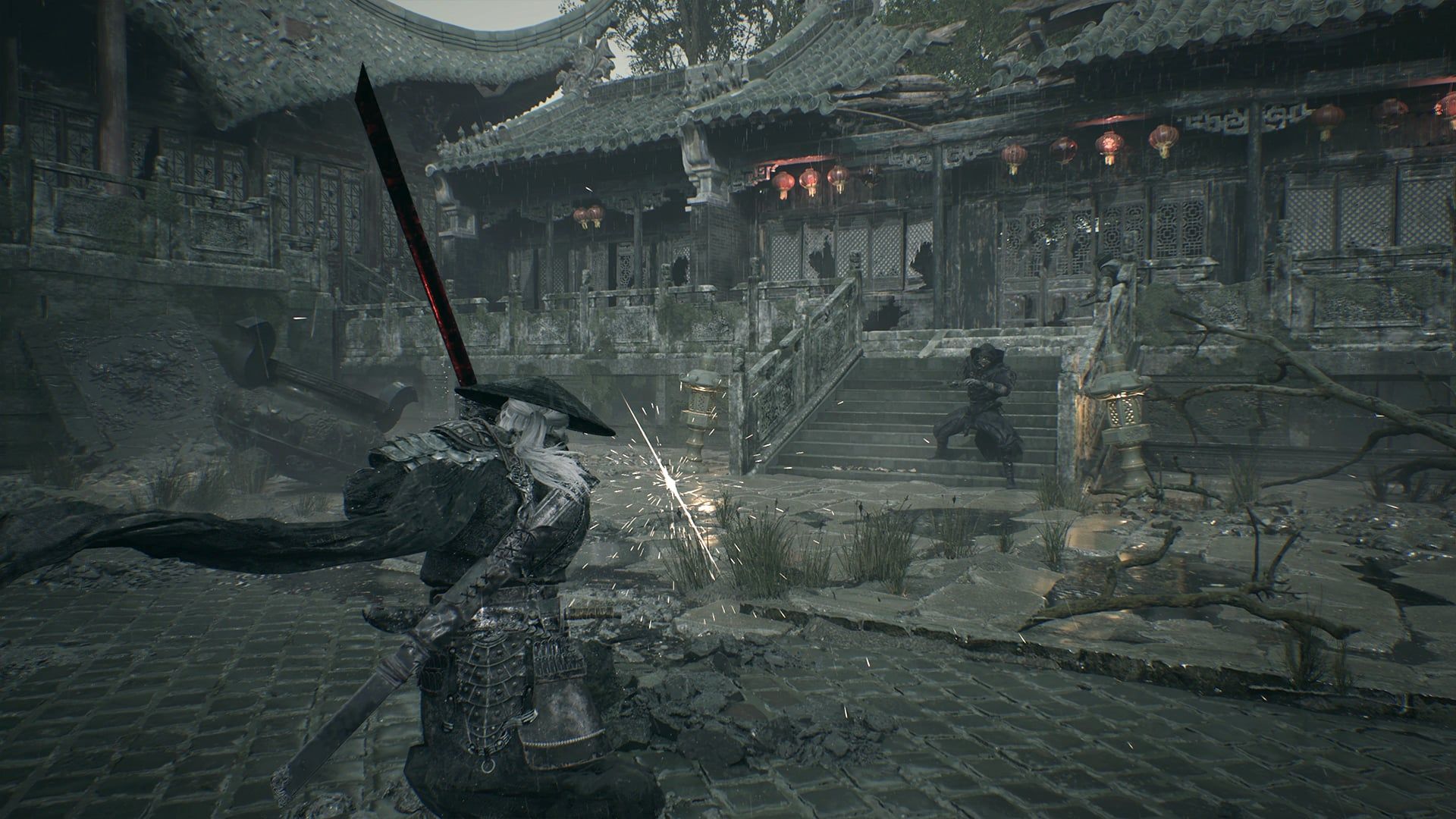
The useful habit is to spend it before the fight collapses into a knot around Soul. Fire into a packed group, then use the opening to move, switch targets or start a primary-weapon combo. Waiting until every enemy is already on top of you wastes the main advantage of bringing a cannon.
It also pairs well with a close-range utility Edge. Night Owl and Tiger Cannon overlap too much for many encounters, while a cannon plus a guard breaker gives you one answer for groups and another for armored pressure.
3. Flaming Mane — pressure for enemies that crowd you
Flaming Mane is the lion-dance head that breathes fire. Its job is sustained close-to-mid-range pressure rather than a single precise hit. That makes it easier to justify when several enemies are funneling through the same space or when a target gives you enough time to hold it in the flame.
This is not the Edge to fire across an open arena and hope for the best. The value comes from controlling a lane, punishing a slow recovery or catching more than one enemy in front of Soul. A mobile opponent can simply make the charge feel wasted.
Flaming Mane therefore sits between the ranged tools and the heavy breakers. It reaches farther than a point-blank smash, but it still wants positioning. Use it after a dodge, parry or stagger has bought enough time for the fire to stay on target.
4. Man-Cutter — the charged heavy interrupt
Man-Cutter is the oversized axe used for a committed downward blow. Preview footage and hands-on reports frame it as the answer when you want one heavy hit rather than a string of smaller attacks.
That makes it a natural boss tool. A charged strike can cash in a clear opening, and the weight of the attack gives it a better chance of stopping or flattening a target than a light ranged option. The trade-off is obvious: it asks you to stand still long enough to finish the swing.
Do not throw it out just because a charge is available. Learn the enemy's recovery, create space and use it when the target has already committed. Man-Cutter is strongest when it finishes a decision you made correctly, not when it is asked to rescue a bad one.
The axe also matters away from combat. Current previews show axe-like Phantom Edges breaking chains that block routes, so carrying it while backtracking can turn an old dead end into a new path.
5. Bashpole — the guard and obstacle breaker
Bashpole is the giant mace. Its blunt impact gives it the clearest job against shielded enemies and other targets whose defense shrugs off lighter tools. Recent creator coverage specifically recommends blunt Phantom Edges when a shield is the real problem.
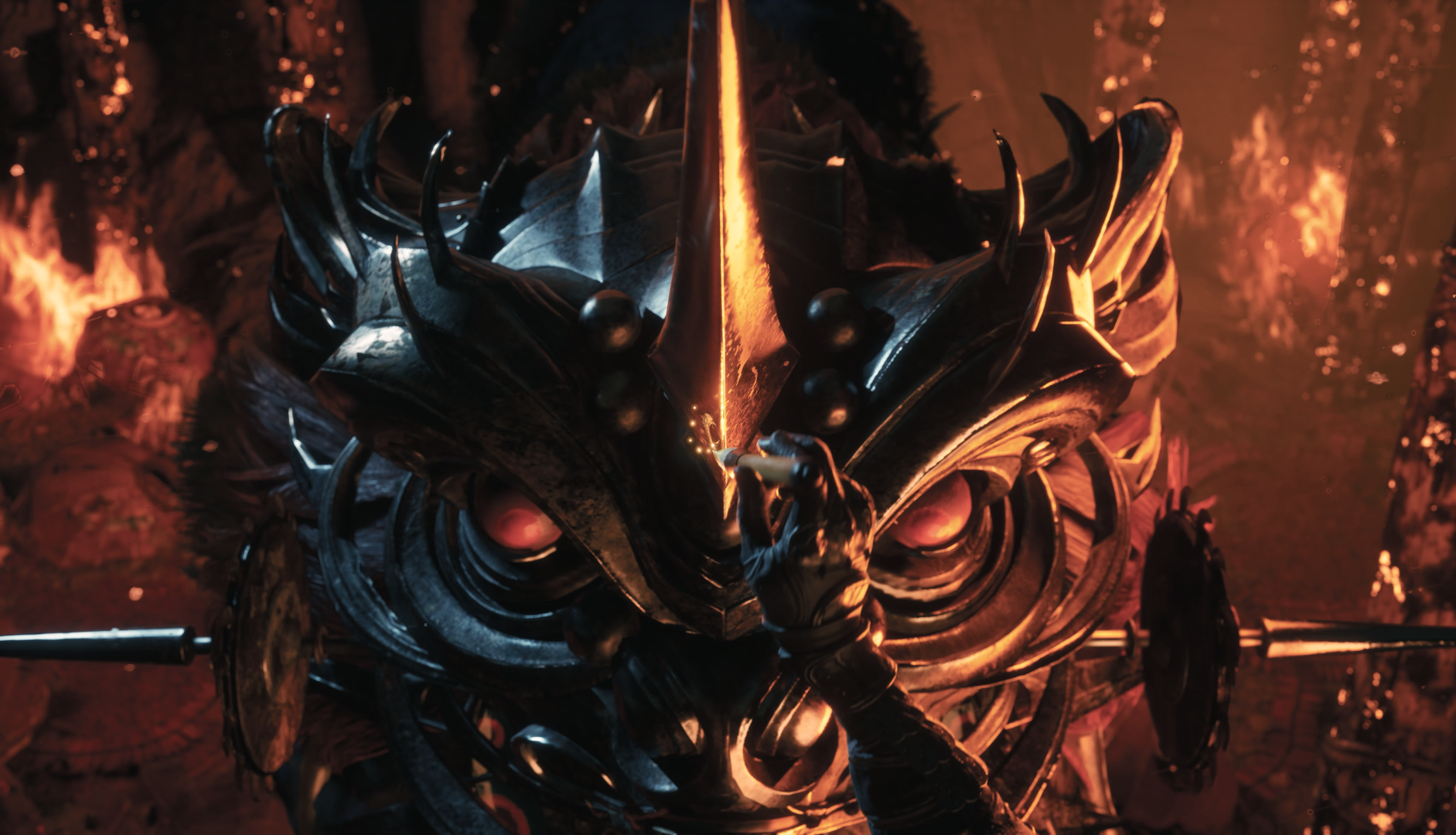
Use it to create the opening, then let a main weapon exploit the broken defense. Treating Bashpole as a complete combo by itself misses the point. It is a can opener: spend the charge, crack the guard and immediately switch back to the weapon that can punish the exposed target.
Like Man-Cutter, Bashpole also earns its slot during exploration. Hands-on reports describe the mace smashing weak floors at marked locations and revealing hidden spaces. If a route looks deliberately fragile, the heavy Edge may be more useful than another damage option.
6. Ink Cut — the pin and damage-over-time tool
Ink Cut is the strange one in the group: a thrown blade that lodges in an enemy, keeps dealing damage and holds the target in place. That turns it into a control tool as much as a weapon.
Pinning one threat can give you room to deal with another, while the continuing damage rewards using it early enough for the effect to matter. Against a single tough enemy, the hold can also buy a safer window for healing, repositioning or starting a slower attack.
Ink Cut is especially attractive if your primary weapons already cover direct damage. Instead of adding another big hit, it changes the shape of the encounter. That is the broader lesson behind Phantom Edges: the best pair is the pair that answers problems your blades do not.
Build the pair around two different problems
Phantom Blade Zero lets Soul switch between two equipped Phantom Edges during combat, while changing the pair itself happens outside a fight. Charges are limited, so a sensible loadout needs two distinct purposes.
Night Owl plus Bashpole is the safe exploring pair: range, loot interaction, shield breaking and floor smashing. Tiger Cannon plus Ink Cut offers stronger crowd control. Man-Cutter plus Flaming Mane gives you a heavy punish and an answer for enemies pushing into your space.
There will be 25 Phantom Edges in the full game, so these six are a starting vocabulary rather than a finished tier list. Learn what each slot is meant to solve, and the next boss reward becomes a tactical option instead of another icon to forget in the menu.