
Phantom Blade Zero Reforging: Recover Materials When Changing Weapons
Reforging returns invested weapon materials. Here is how to plan a swap without assuming the old weapon keeps its levels or every reset is free.
Upgrade the weapon you enjoy using. Phantom Blade Zero's developer says reforging lets you reset a weapon's level, recover all invested materials, and spend them on another weapon. You do not have to leave your current gear underpowered because something better might turn up later.
Reforging lowers the old weapon's level. Moving its returned materials into new gear changes where you have invested your resources; it does not duplicate them.
What reforging actually returns
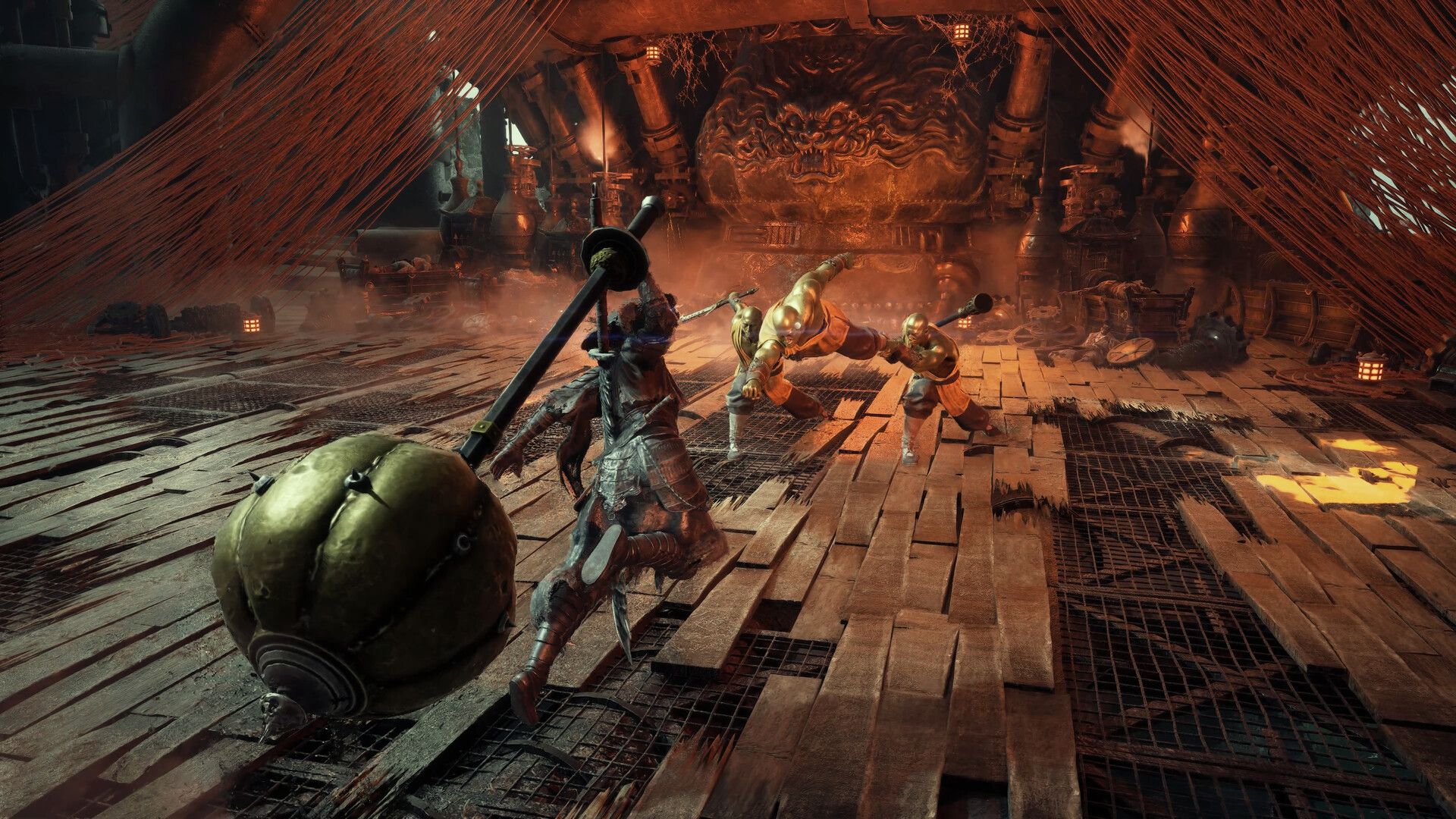
The official gameplay deep dive names a reforging talisman and explains its job: reset the weapon level, return the invested materials, then reinvest them in new gear. The developer's written explanation also confirms that upgraded weapons can be reforged to recover materials.
That is enough to plan around recoverable material investment. It is not enough to promise that every cost disappears. The presentation does not settle talisman availability, any separate currency charge, or every condition attached to a reset.
When the game launches, read the reset confirmation before accepting. Check what it returns and what it consumes. A confirmed material refund and a completely free respec are different claims.
A sensible way to change weapons
First, try the new weapon's basic attacks and handling when you have a safe opportunity. Decide whether you actually like its reach and rhythm before moving your resources. This is our suggested approach, not a confirmed training-room feature.
Next, choose which old weapon you are comfortable resetting. If it is still the tool you rely on for difficult fights, think about whether you want to give up its current upgrade level yet.
Once the reset is available, check the listed return, reforge the old weapon, and use the recovered materials on your replacement. Then reassess the new weapon after upgrading. S-GAME says upgrades can unlock additional forms and techniques, so the base version may not show everything it eventually does.
If the replacement still does not suit you, the refund system gives you a reason to explore another choice. Check the same costs and conditions again rather than assuming repeated changes have no limits.
A reset is not a second upgrade budget
The easy mistake is treating recoverable materials like extra materials. Resetting one weapon lowers its level. Moving that investment into another changes which weapon has the upgrades; it does not duplicate the investment.
That matters if you regularly swap between favorites. You may want to keep one reliable upgraded option while testing another, instead of repeatedly stripping the weapon that gets you through difficult encounters. How much investment to divide between them depends on the final game's costs and the gear you have unlocked.
There is also no basis here for calling every weapon reset a full character respec. Accessories, Phantom Edges, and other progression systems need their own rules checked. This confirmation concerns the weapon-level reset shown by the developer.
What to check in the finished game
The exact talisman source, reset location, menu sequence, and any additional fees remain outside this guide's verified scope. We also have not tested refund quantities across weapon types in the retail build. This is planning advice from official footage, not a walkthrough that pretends we already used the system.
For now, the useful decision is simple: invest in gear you want to fight with. When another weapon earns your attention, use the confirmed material-return system to change direction, after checking the reset conditions. Hoarding every upgrade out of fear of a permanent mistake is unnecessary under the system S-GAME has shown.