
The Blood Of Dawnwalker: How To Stop Wasting Your First Week
The clock looks brutal, but the real early-game trap is spending time without a plan. Here is how to make the first week count.
The Blood of Dawnwalker puts a 30-day rescue clock in front of you and waits for panic to do the rest. Do not let it. Time advances when you choose meaningful actions, not because you stopped to compare swords or wandered down the wrong road.
The first week is about learning what spends time, building a reliable route through Vale Sangora, and making Coen good at one or two things. Treat every day like a short list, not an open-world buffet.
Learn The Clock Before You Fear It
Read the cost attached to quests, travel choices, and major interactions before confirming them. A long commitment is not automatically bad; an unplanned one is. Keep one major objective and two nearby errands in mind, then stop adding detours when the route is already full.
Exploration itself is often cheap. Use that freedom to mark locations, find shortcuts, and learn which entrances remain useful after dark. The expensive mistake is repeatedly crossing the map because you entered an area with no idea what else was nearby.
Give Day And Night Different Jobs
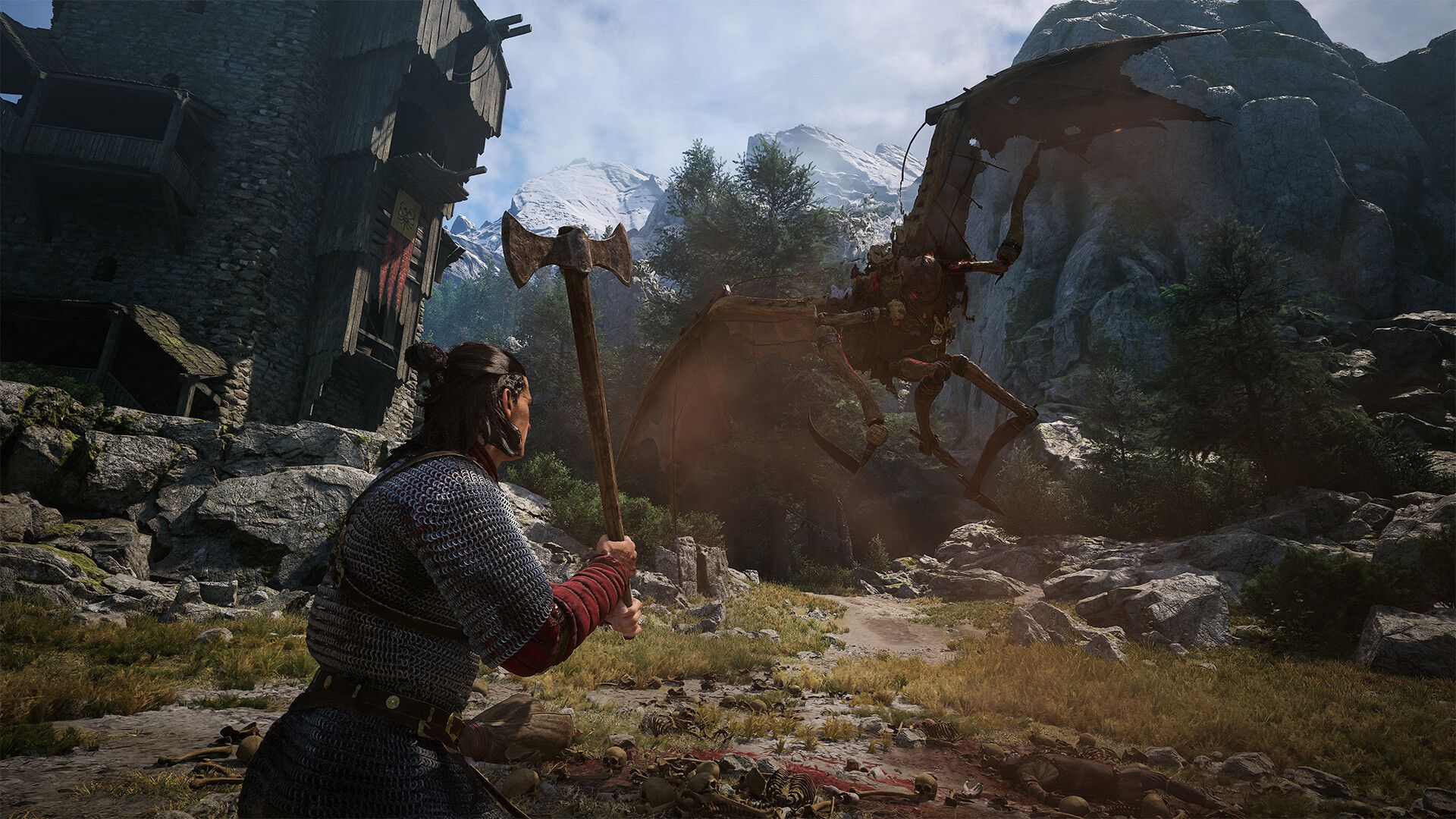
Coen's human and vampire sides are not interchangeable loadouts. Daylight is better for conversations, preparation, and moving through places where a monster would attract the wrong kind of attention. Night is when mobility, feeding, and vampire abilities can turn difficult spaces into manageable ones.
Before dusk, decide where you want to be after dark. A night plan that starts with twenty minutes of backtracking is already a bad plan. Finish daylight business near the place where the evening's real objective begins.
Build Around The Problem That Keeps Beating You
Early skill points are most useful when they remove friction. If directional defense is ruining fights, invest in survival and control before chasing flashy damage. If travel is eating your patience, prioritize mobility. If resources are tight, improve the tools that keep you from burning through healing after every encounter.

Pick one defensive answer and practice it until it works under pressure. The combat becomes much less chaotic once you stop reacting with a different button every time. Damage can come later; staying upright creates more chances to deal it.
Scout In Loops, Not Straight Lines
When a quest sends you into a new area, circle the district before leaving. Find the useful NPCs, doors, towers, merchants, and routes while you are already there. Returning later for a single forgotten interaction is how the calendar starts feeling cruel.
Save Before Big Commitments
The game is built around consequences, and some choices can narrow later options. You do not need to reload every imperfect outcome, but keeping a manual save before a major commitment lets you distinguish an interesting consequence from a decision you simply misunderstood.
The first week does not need to be perfect. It needs to leave you with a map you understand, a combat plan you trust, and enough room on the clock to make deliberate mistakes later. That is when Dawnwalker's pressure becomes interesting instead of exhausting.
The game is available through its official Steam page.