

Monster Hunter Wilds Beginner Guide: Prepare For Your First Hunts
Monster Hunter Wilds gets easier once you stop chasing damage and start preparing, observing, and building around the weapon you actually understand.
Use One Weapon Long Enough To Learn It
Do not switch weapons after every failed hunt. Early problems are more likely to involve spacing, timing, stamina, sharpness, or unnecessary dodges. Use one weapon long enough to understand its recovery times while watching the monster's attacks.
Current beginner videos and written guides recommend experimenting in the training area, then committing to one weapon in the field. Sword and Shield, Long Sword, Dual Blades, Great Sword, and Light Bowgun are common early choices. The best option is the weapon whose recovery windows you understand.
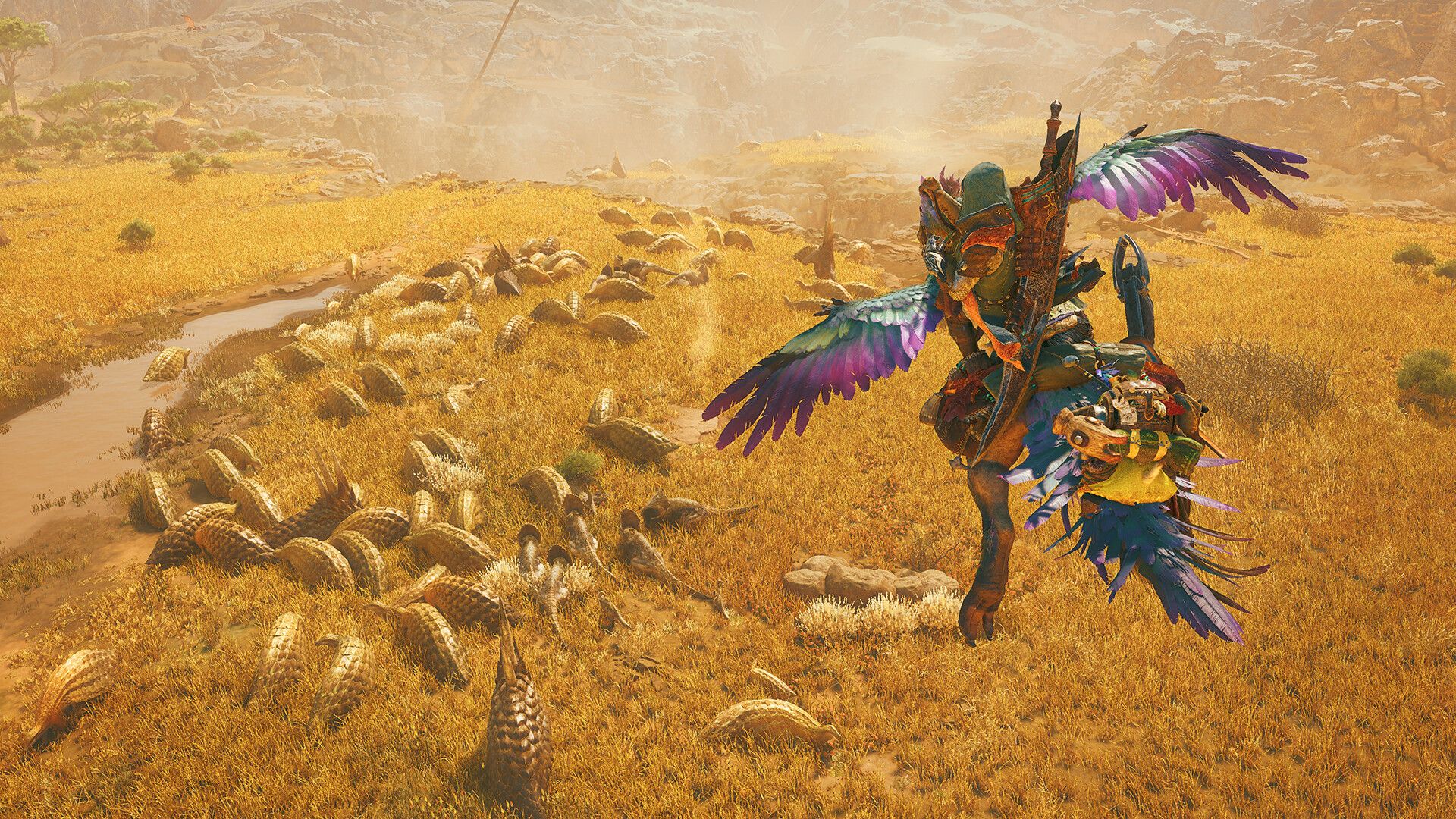
Prepare Before Every Hunt
Eat before hunts. Restock items. Save a basic loadout. Bring healing, antidotes or cleanser items when the monster calls for them, and traps when capture is on the table. None of that is glamorous, but Monster Hunter has always been a game where losing in camp can get you killed in the field.
Wilds makes travel and target access smoother, but the core loop is still prepare, hunt, carve, craft, repeat. If you skip the first word in that loop, the rest gets messier than it needs to be.
Upgrade Armor When Damage Spikes
Do not save every armor upgrade for a later set. If a monster can defeat you in two attacks, spend the available resources. Additional defense creates more opportunities to learn difficult encounters.
Early on, coherent progression matters more than perfect builds. Use better pieces as they become available, keep useful skills in mind, and worry about high-end optimization after the story opens up.
Learn Attack Tells Before Optimizing Damage
Monsters use posture, sound, positioning, and repeated animations before major attacks. Focusing only on a combo route hides those signals. Spend part of an early hunt watching what happens before tail swipes, charges, roars, and breath attacks.
Focus Mode and wounds reward accuracy. Create wounds, target them when it is safe, and avoid forcing the largest attack into every opening. Short, reliable attacks are usually better while learning a monster.