
Planet Zoo 2 Bred ’n’ Water: Six Species That Keep Costs Down
Six practical aquarium species for building Bred ’n’ Water progress, from cheap Tier 1 breeders to fast later unlocks that can produce silver-quality offspring without swallowing the whole zoo budget.
The safest way into Planet Zoo 2’s Bred ’n’ Water challenge is not a prestige shark tank. Start with Sailfin Snapper and Indo-Pacific Leopard Shark, then add compact breeders as your Franchise accreditation opens the next tiers. The challenge only counts offspring from its sixteen listed marine species when they are born at silver quality or better, so one good breeding line beats a warehouse full of weak animals.
Frontier’s live challenge page sets a shared goal of 200,000 qualifying births. It also lists 250 Conservation Credits, a Gold Blacktip Reef Shark and a Franchise badge at the milestone. Those rewards are shared, but your contribution still depends on getting the genetics and welfare right in your own zoo.
The six species below are ordered as a sensible progression path. Market stock can be patchy, so treat the order as a plan rather than a shopping list carved into coral.
1. Sailfin Snapper
If Sailfin Snapper are available, start here. They unlock at Accreditation Tier 1, have low food costs and can live in a straightforward saltwater aquarium. A breeding group can support one male with several females, and each successful pairing can produce between one and six offspring.
That combination makes them forgiving while you learn the challenge. The official Zoopedia data gives them a half-year interbirth period and four years to sexual maturity. The wait is manageable, especially once several females are producing on offset schedules.
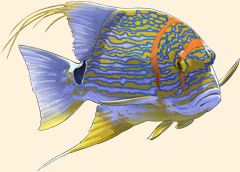
This is also the species with the strongest current player proof. Planet Zoo creator Erose built an early Franchise breeding zoo around Sailfin Snapper and Indo-Pacific Leopard Sharks because the lower accreditation tier limited the available challenge animals. Her silver and gold Snapper offspring counted toward Bred ’n’ Water exactly as the challenge panel described.
Buy the healthiest unrelated male and females you can afford. Do not fill every slot with the first cheap listing. Weak fertility, low immunity and inbreeding will leave you with plenty of babies that never make the grade.
2. Indo-Pacific Leopard Shark
The Indo-Pacific Leopard Shark is the other strong Tier 1 option. It produces two to six offspring and needs far less baseline swimming space than the massive late-tier shark species. That makes it a realistic shark line before your zoo has the cash and filtration capacity for a Great Hammerhead or Sand Tiger Shark operation.
The catch is time. Leopard Sharks mature more slowly than Snapper, and current creator testing shows that a full breeding cycle can make the zoo clock feel glacial. Do not build this as your only line unless you enjoy watching the family tree grow at documentary speed.
Pair the sharks, keep welfare high and run Snapper in another tank while the juveniles age. The longer wait is easier to accept when a faster species is still adding challenge progress.
3. Clown Triggerfish
Clown Triggerfish become available at Tier 2 and are ideal when space is tight. They only need a pair, use a compact aquarium footprint and have a short interbirth period. Their litters are small at one or two offspring, but the adults can try again quickly.
This is the cleanest choice for a zoo that cannot afford another giant tank. The feeding bill is low, the social group is simple and you do not need to chase five or six good founders before the habitat works.
The trade-off is volume. One pair will not flood the challenge panel. Use Triggerfish as a steady side line beside Snapper or Leopard Sharks, then replace a parent when the offspring quality starts sliding.
4. Dolphinfish
Dolphinfish are the Tier 2 speed option. They reach sexual maturity quickly, can produce up to five offspring and have a half-year interbirth period. On paper, that is exactly what a breeding challenge wants.
The tank is the bill. Dolphinfish need much more deep swimming space than the small reef fish, so this choice makes sense after the first zoo is profitable and the water-filter network has room to spare. Building the tank too early can turn a good breeding stat line into a construction and maintenance headache.
Choose Dolphinfish when you want faster generations and already have the infrastructure. If the zoo is still surviving on one donation bin and optimism, stick with the smaller species.
5. Blackspotted Puffer
At Tier 3, the Blackspotted Puffer offers a useful middle ground. It matures faster than the Snapper, can produce one to five offspring and fits into a compact saltwater aquarium. Food cost is also modest compared with the large sharks, rays and manatees in the same challenge pool.
Its interbirth period is longer than the fastest options, so build the line around quality rather than raw numbers. A strong pair with high welfare is worth more than four questionable adults producing bronze offspring.
Puffers are especially useful when the market refuses to give you enough high-quality animals from the same species. A small group is easier to assemble without overpaying for one acceptable founder.
6. Red Lionfish
Red Lionfish are the best later unlock for players who want speed without a huge tank. They reach maturity quickly, can produce up to five offspring and have a half-year interbirth period. Their baseline swimming-space demand is tiny beside the large marine animals, and the group can support a much bigger population than the Puffer or Triggerfish.
That makes Lionfish a strong dedicated breeding-room species once Tier 3 opens. Start with one good male and several unrelated females, keep an eye on the family tree and move mature offspring into storage before the tank becomes a genetic traffic jam.
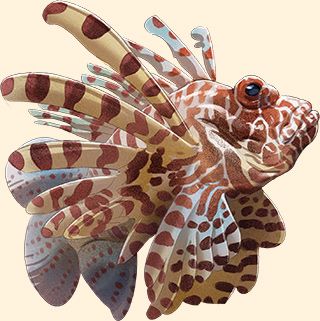
The species is not magic. Poor founders still produce poor challenge results. Spend on genetics first, then let the fast cycle do the work.
Keep the breeding zoo under control
Whichever species you choose, the challenge is checking quality rather than effort. Silver and gold offspring count. Bronze offspring do not become useful because you bred twenty of them.
Use the animal market filters, inspect fertility and immunity, and check that a proposed pair is not closely related. High welfare matters because stressed or unhealthy animals are a bad foundation for any breeding line. When juveniles mature, move the best unrelated replacements into storage and trade or release the rest before the aquarium gets overcrowded.
Sailfin Snapper are the easiest opening bet, while Red Lionfish offer the strongest compact line once Tier 3 is available. Run two species at different speeds and the challenge stops feeling like one very long wait for a shark to grow up.